The Bestiary
30 creatures and the routes they traveled: out of myth and folklore, through Tolkien and the pulps, into Dungeons & Dragons, and on into video games. Ordered by first known appearance.
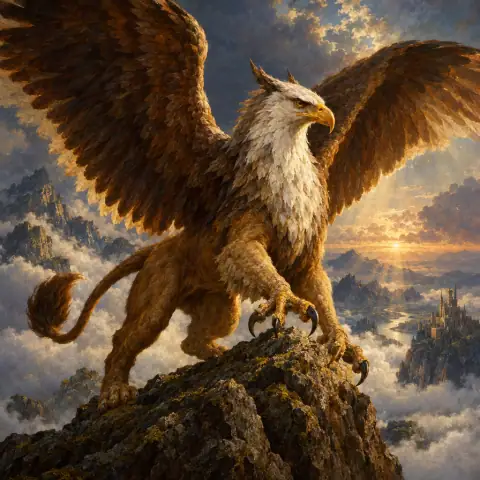 First seen 3300 BCEGriffinAncient Near Eastern and Egyptian art (before 3000 BCE); named in Greek from Aristeas's lost poem (7th century BCE)
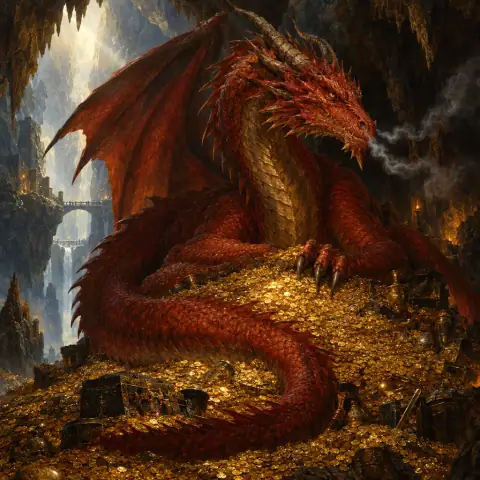 First seen 2300 BCEDragonAncient Near Eastern myth and art (Akkadian period, c. 2300 BCE); the hoard-guarding Western dragon via Beowulf and the Eddas
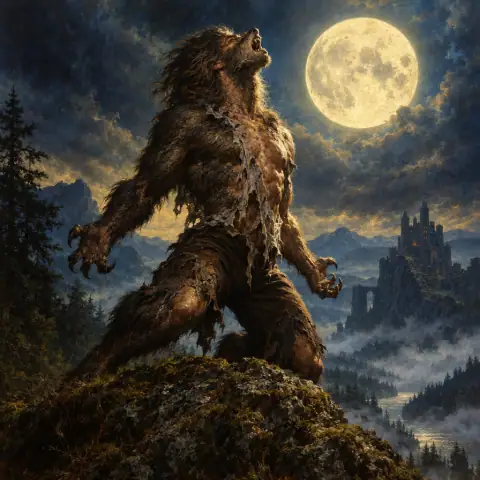 First seen 1200 BCEWerewolfAncient Near Eastern and Greek myth (Gilgamesh, Herodotus, Lycaon); European folklore and witch trials
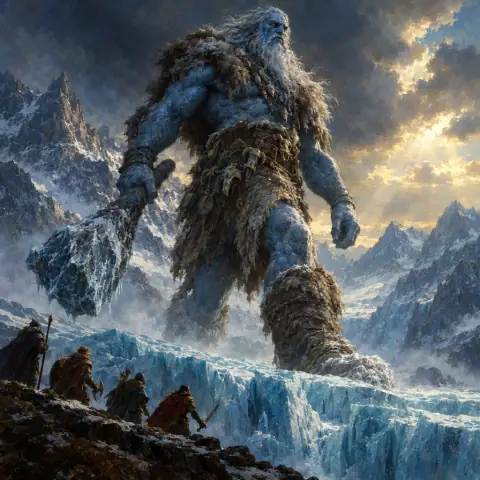 First seen 700 BCEGiantGreek myth (Hesiod's Gigantes and Homer's Cyclops, c. 700 BCE), Norse jötnar, and British fairy tale
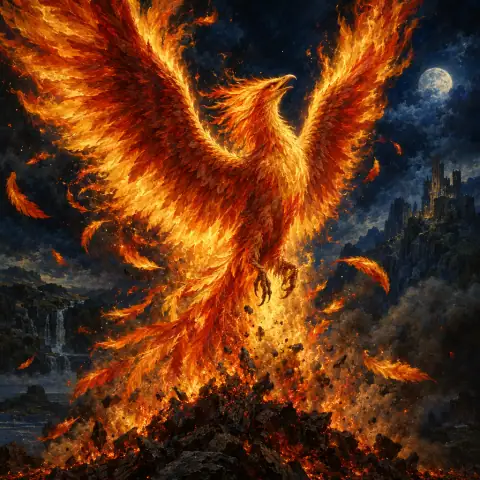 First seen 700 BCEPhoenixGreek literature (a Hesiodic fragment, c. 8th–7th century BCE), linked by Herodotus to Egypt's Heliopolis
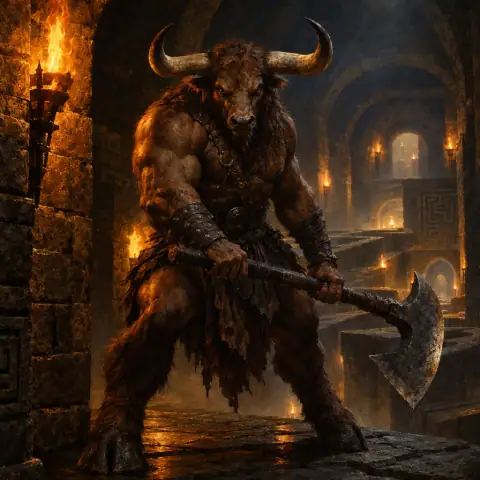 First seen 550 BCEMinotaurGreek myth of Minos, Theseus and the Cretan Labyrinth; common in Greek art by the 6th century BCE
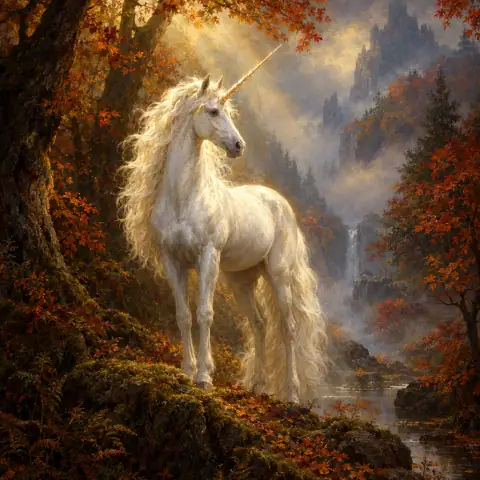 First seen 400 BCEUnicornGreek natural history (Ctesias, c. 400 BCE), then medieval Christian allegory
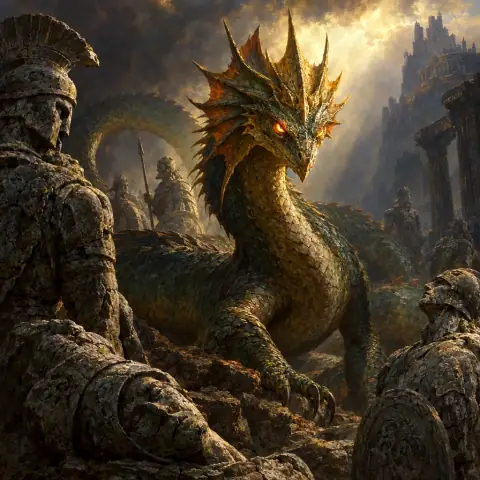 First seen 150 BCEBasiliskGreek and Roman natural history — named by Nicander (2nd century BCE), made deadly by Pliny the Elder's Natural History (77 CE)
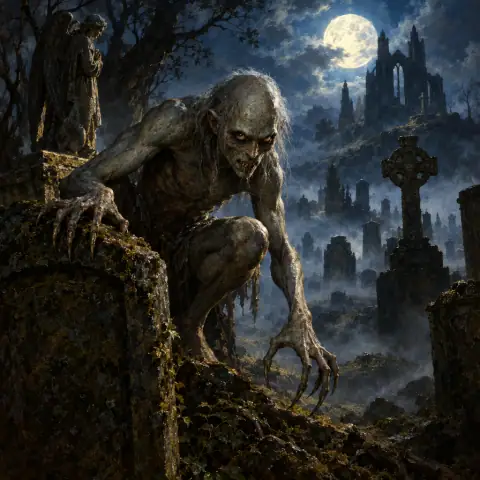 First seen 500GhoulPre-Islamic Arabian folklore (the ghūl), brought to Europe by translations of the Arabian Nights
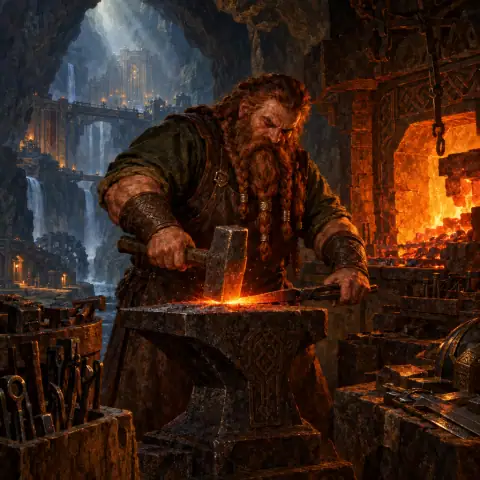 First seen 1000DwarfNorse and Germanic myth (Old Norse dvergr); the Völuspá's dwarf-list, often dated to around 1000 CE, via Tolkien's The Hobbit (1937)
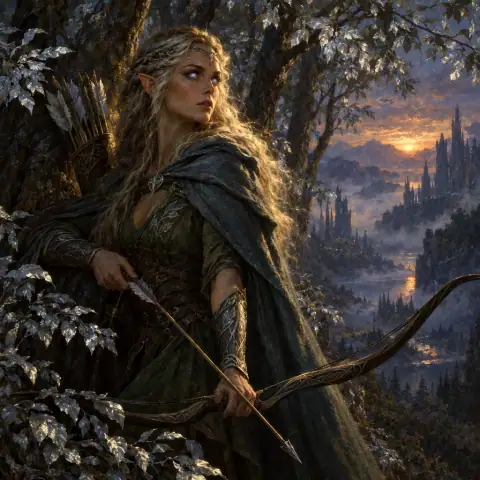 First seen 1000ElfGermanic folklore (Old English ælf, Old Norse álfr); remade as tall immortals by Tolkien
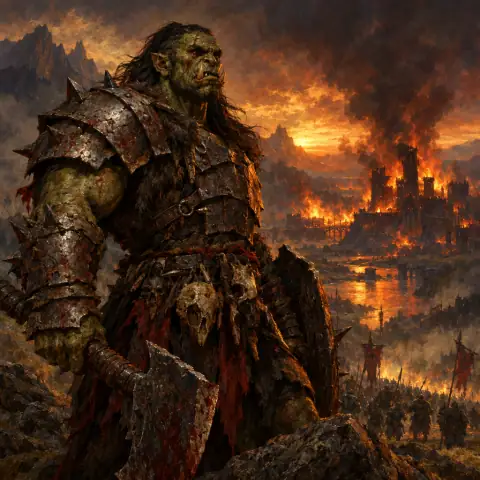 First seen 1000OrcOld English orc, 'demon' (Beowulf's orcneas); made a people by J. R. R. Tolkien (The Hobbit 1937, The Lord of the Rings 1954–55)
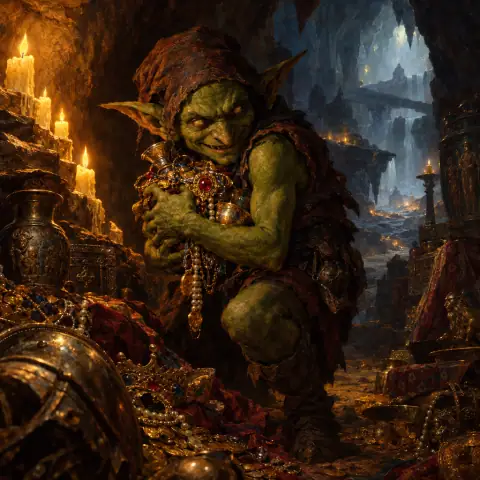 First seen 1140GoblinNorman-French folklore (Medieval Latin gobelinus, c. 1140; Old French gobelin); Victorian fairy tale; Tolkien's The Hobbit (1937)
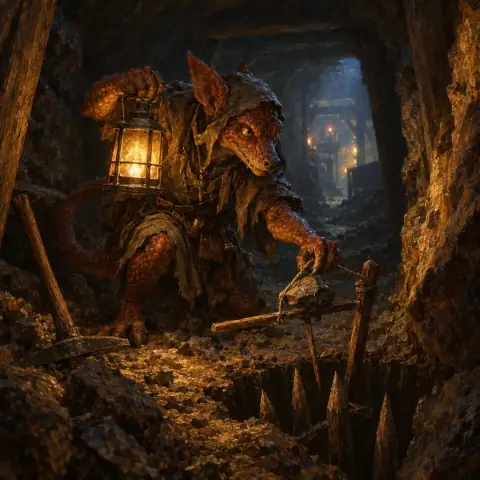 First seen 1200KoboldGerman household and mine spirits (Middle High German kobolt, 13th century)
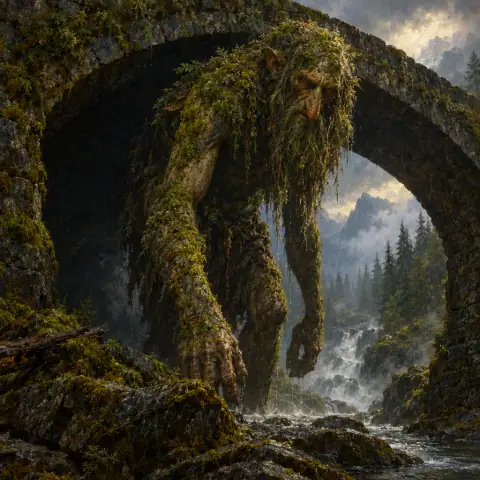 First seen 1220TrollOld Norse literature and Scandinavian folklore (Snorri's Prose Edda, c. 1220); the regenerating game troll from Poul Anderson's Three Hearts and Three Lions (1953)
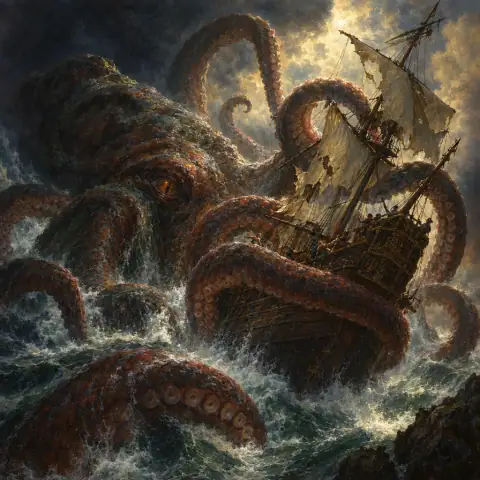 First seen 1646KrakenNorwegian sailors' lore; first described by name in a 1646 Norwegian glossary and popularized by Bishop Erik Pontoppidan (1752–53)
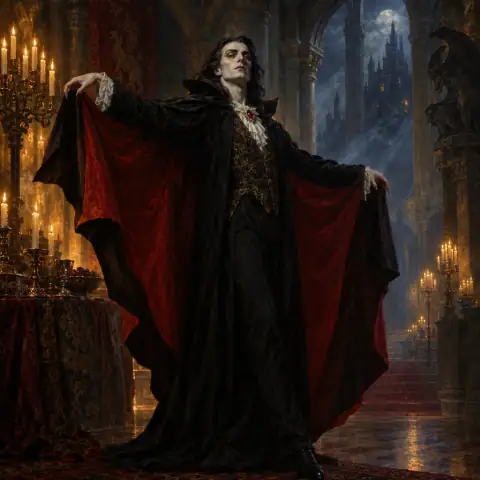 First seen 1725VampireSlavic and Balkan folklore; 18th-century vampire panics; Gothic fiction (Polidori 1819, Stoker 1897)
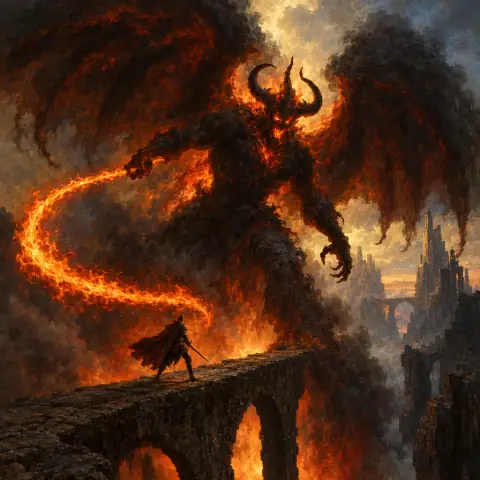 First seen 1917Balrog / BalorTolkien's legendarium (The Fall of Gondolin, drafted c. 1917); renamed 'balor' by D&D after Irish myth
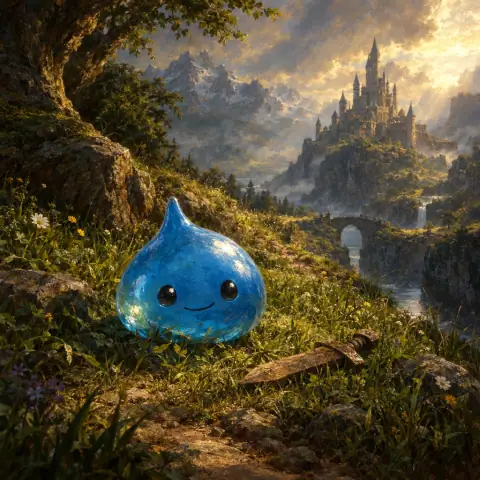 First seen 1936SlimePulp horror (Lovecraft's shoggoths, 1936; 'Slime', 1953) and The Blob (1958), codified as D&D's oozes (1974), made cute by Dragon Quest (1986)
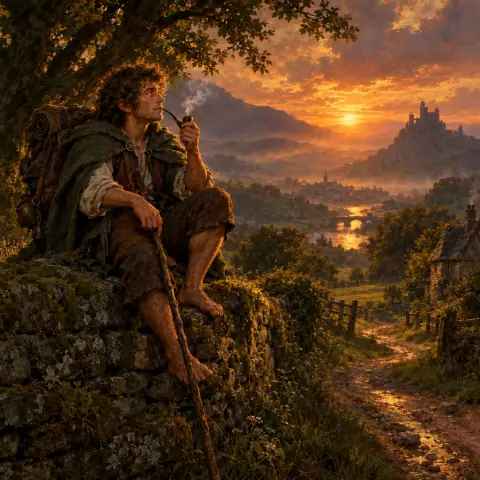 First seen 1937HalflingJ. R. R. Tolkien's hobbits (The Hobbit, 1937); renamed 'halflings' by Dungeons & Dragons in the late 1970s
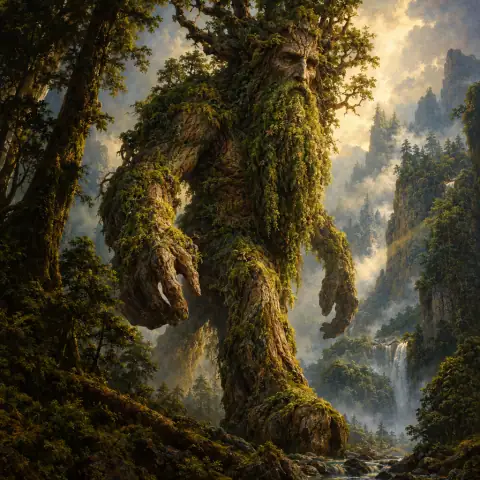 First seen 1954TreantTolkien's Ents (The Two Towers, 1954), renamed by D&D in the 1970sFirst seen 1975BeholderOriginal D&D monster created by Terry Kuntz, detailed by Gary Gygax in the Greyhawk supplement (1975)
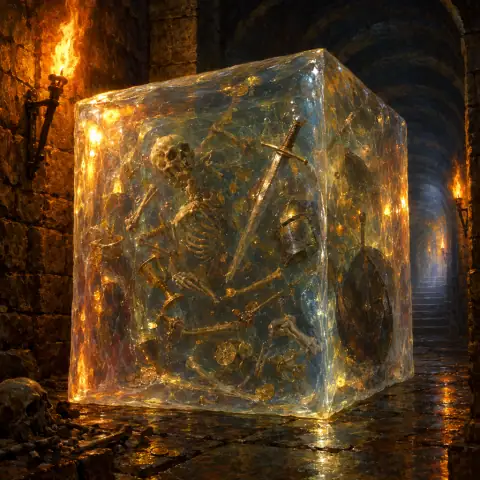 First seen 1975Gelatinous CubeOriginal D&D monster by Gary Gygax, introduced in the Greyhawk supplement (1975); descended from the game's blob-inspired slimes and jellies
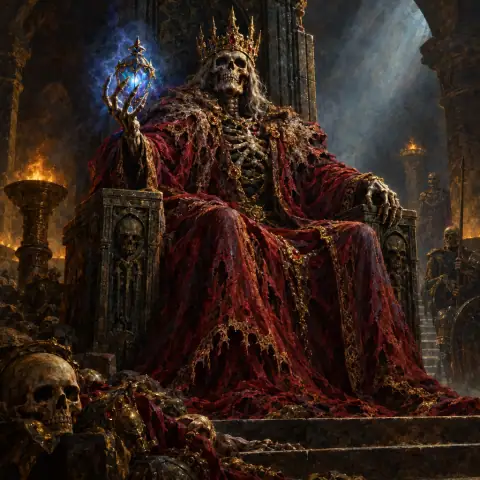 First seen 1975LichDungeons & Dragons, Greyhawk supplement (1975); name from Old English līc, 'corpse'
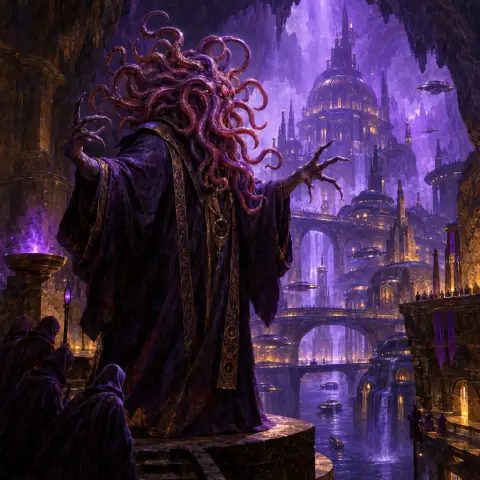 First seen 1975Mind Flayer (Illithid)Created by Gary Gygax for The Strategic Review #1 (1975), partly inspired by the Lovecraftian cover of Brian Lumley's The Burrowers Beneath
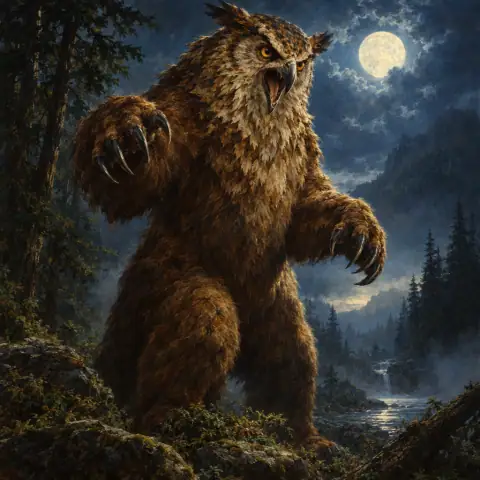 First seen 1975OwlbearOriginal D&D monster (1975), inspired by a cheap Hong Kong–made plastic toy Gary Gygax found at a dime store
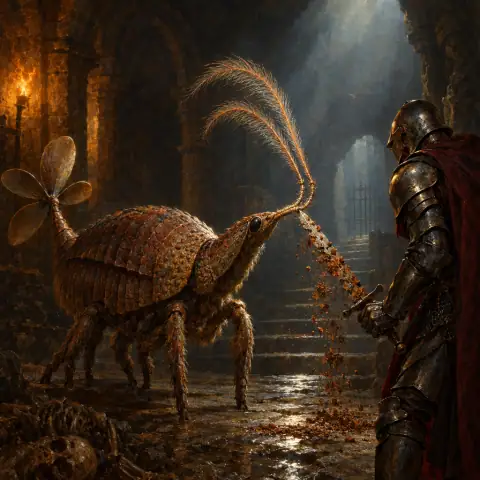 First seen 1975Rust MonsterOriginal D&D monster (1975), invented by Gary Gygax to explain a Hong Kong–made plastic toy that looked like a lobster with a propeller on its tail
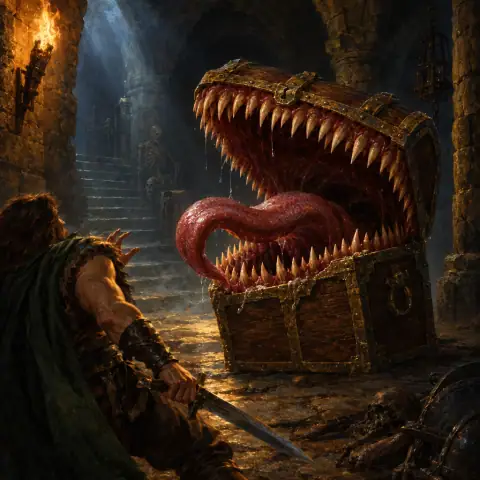 First seen 1977MimicOriginal D&D monster by Gary Gygax, first published in the AD&D Monster Manual (1977)
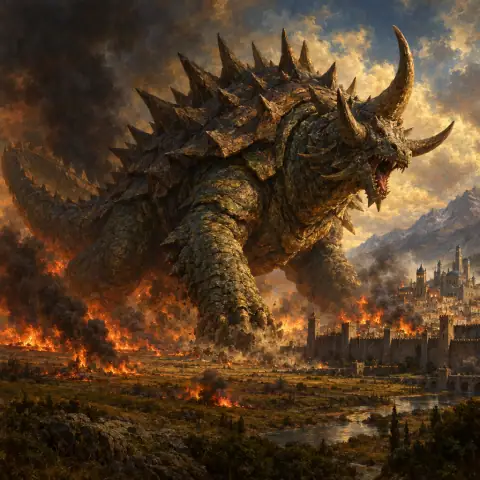 First seen 1983TarrasqueThe Tarasque of Tarascon, a Provençal dragon tamed by Saint Martha in medieval legend; reimagined by Gary Gygax in Monster Manual II (1983)
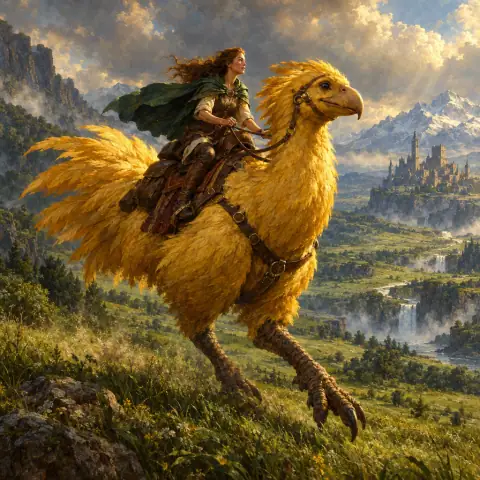 First seen 1988ChocoboFinal Fantasy II (1988), designed by Koichi Ishii from a childhood memory of a pet chick