The halfling is the one major fantasy race with a single, datable inventor. Its forced renaming by the Tolkien rights holders is also the clearest mark of how much early D&D borrowed from Middle-earth.
Origins
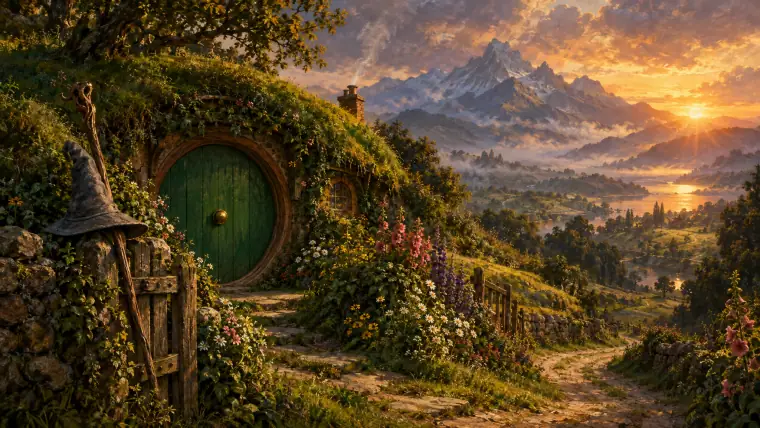
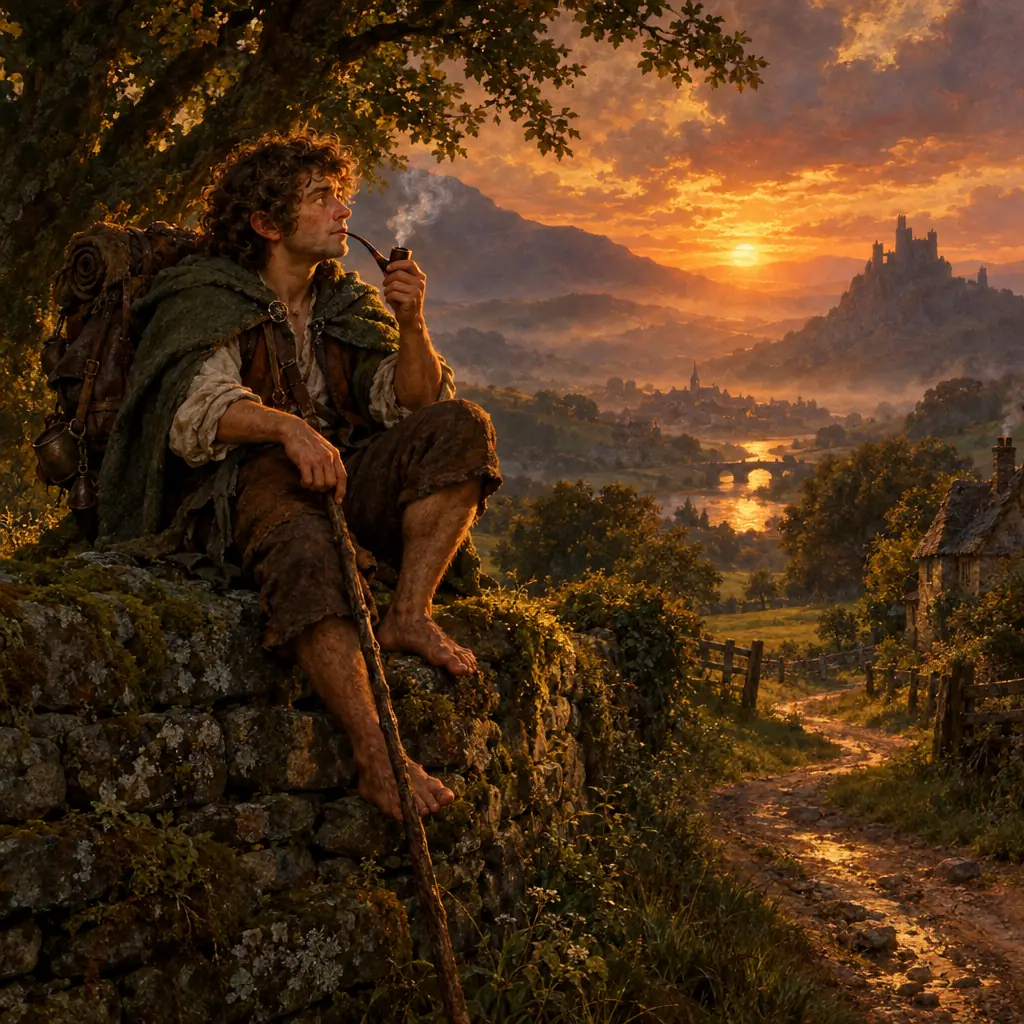
Most creatures in this bestiary were inherited; the halfling was invented. J. R. R. Tolkien recalled that the opening line of The Hobbit came to him around 1930, scrawled on a blank page while he was marking examinations: "In a hole in the ground there lived a hobbit." The creature he then had to explain was a little person, about half human height, with curly hair, leathery soles and furry feet, fond of food, pipe-smoking, gardens and comfort — "fattish in the stomach, shortish in the leg," as he put it. Scholars have proposed antecedents, from Sinclair Lewis's Babbitt (1922), which Tolkien acknowledged, to Edward Wyke Smith's The Marvellous Land of Snergs (1927). In 1977 the Oxford English Dictionary found the word "hobbits" in a list of ghostly beings in The Denham Tracts (1895), but those bodiless spirits have nothing in common with Bilbo, and Tolkien scholars doubt he ever saw the list.
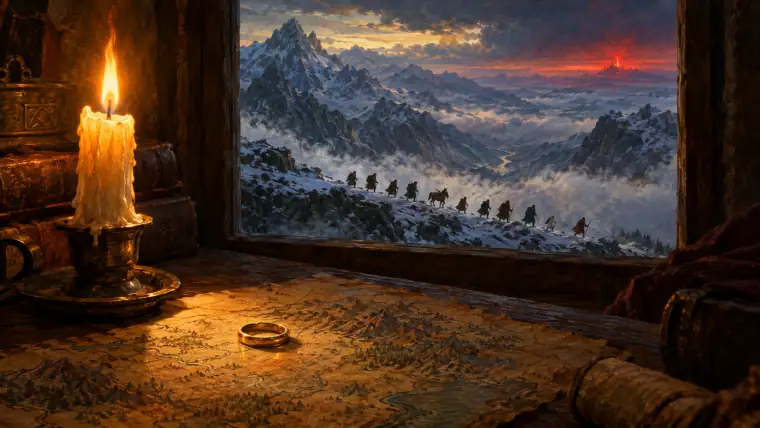
In The Lord of the Rings (1954–55), hobbits became the moral center of an epic: Frodo, Sam, Merry and Pippin, ordinary people from the Shire — "more or less a Warwickshire village," Tolkien said — who carry the Ring where heroes cannot. Tolkien gave them a history, three strains (Harfoots, Stoors and Fallohides), a fictional Old English etymology (holbytla, "hole-builder") and, in the mouth of King Théoden, a second name: the Halflings.
Into the dungeon
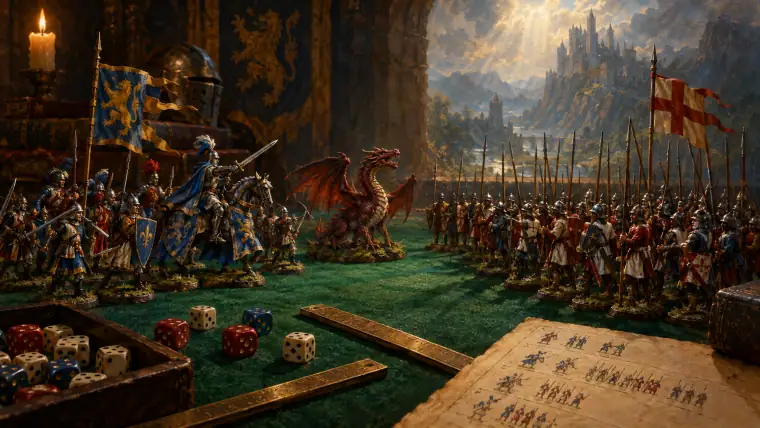
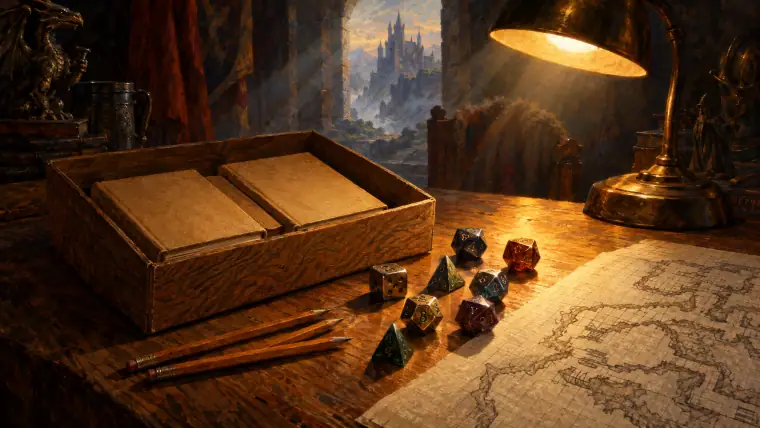
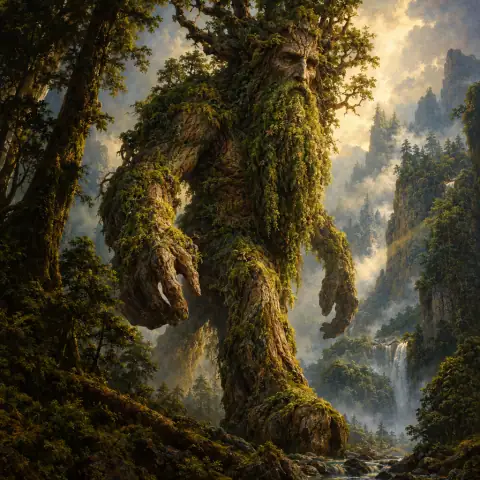
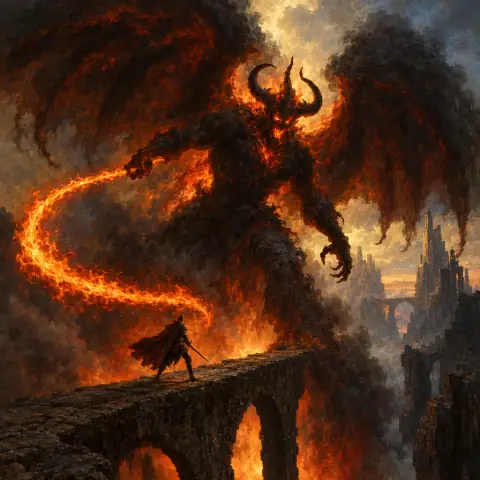
Hobbits marched straight into gaming. Chainmail's Fantasy Supplement (1971) fielded them, and the 1974 white box of Dungeons & Dragons offered the hobbit as one of three non-human Player character choices alongside the Dwarf and the Elf. Then the rights holders noticed. Saul Zaentz's Tolkien Enterprises, which controlled merchandising rights to Tolkien's two great books, objected to TSR's use of Tolkien's names in the late 1970s (see The Tolkien Rights Saga). The 1977 printings of the D&D box replaced "hobbit" with Tolkien's own alternative, "halfling"; ents became treants, and the Balrog / Balor would eventually become the balor. The 1977 Monster Manual and 1978 Player's Handbook of Advanced Dungeons & Dragons kept Tolkien's shape — hairfoot, stout and tallfellow halflings, a talent for stealth and burglary — under the new label.
Early computer games were slower to change. Wizardry: Proving Grounds of the Mad Overlord (1981) listed hobbits among its five races, while Ultima (1981) sidestepped the issue with the "bobbit." Margaret Weis and Tracy Hickman's Dragonlance (1984) replaced halflings entirely with the kender, fearless, curious and forever "borrowing" things, most famously Tasslehoff Burrfoot of the Dragonlance Chronicles. R. A. Salvatore's halfling Regis joined Drizzt in The Icewind Dale Trilogy (1988), and halflings remain standard options from Baldur's Gate to Baldur's Gate 3 (2023) and the 2024 revision of Dungeons & Dragons 5th Edition.
Variations
Once cut loose from the Shire, the halfling wandered. The Dark Sun setting (1991) made its halflings jungle-dwelling cannibals; Eberron (2004) mounted them on dinosaurs. Some authors, including Terry Brooks and Jack Vance, used "halfling" for entirely different beings — half-human, half-elven or half-magical. But in most games the halfling still plays Bilbo's part: the smallest member of the party, the one nobody fears, lucky with a sling and quick with a lock, and very often the one who matters most.
Migration
How the creature traveled from story to story.
- 1895The Denham TractsA folklore list of spirits includes 'hobbits' among boggles and hobgoblins — a word, not yet a people, and probably unknown to Tolkien.
- 1937The Hobbit'In a hole in the ground there lived a hobbit': Bilbo Baggins, comfortable, furry-footed and unexpectedly brave.
- 1971Chainmail Fantasy SupplementHobbits take the wargaming table as small, stealthy troops.
- 1974Dungeons & DragonsThe hobbit is one of three non-human player character choices in the white box.
- 1977D&D renamingAfter objections from Saul Zaentz's Tolkien Enterprises, hobbits become 'halflings' in TSR's printings and in AD&D.
- 1981WizardryComputer RPGs keep the old name a while: Wizardry's five races include the hobbit.
- 1984DragonlanceKrynn replaces halflings with the fearless, compulsively 'borrowing' kender.
- 2023Baldur's Gate 3The halfling remains a standard playable species half a century on.
Marginalia
- Tolkien said the first sentence of The Hobbit came to him around 1930 while he was marking exam papers.
- In 1977 the Oxford English Dictionary announced it had found 'hobbits' in The Denham Tracts (1895), a list of ghostly beings.
- Tolkien's invented etymology derives 'hobbit' from Old English holbytla, 'hole-builder.'
- The first D&D printings used 'hobbit'; the 1977 printings of the white box replaced it with 'halfling.'
- Ultima I (1981) dodged the problem by offering a hobbit-like race called the 'bobbit.'
- D&D's early halfling subtypes — hairfoot, stout and tallfellow — echo Tolkien's Harfoots, Stoors and Fallohides.
Quick answers
- Where does the Halfling come from?
- J. R. R. Tolkien's hobbits (The Hobbit, 1937); renamed 'halflings' by Dungeons & Dragons in the late 1970s.
- When did the Halfling first appear?
- 1937, in The Hobbit.
- How did the Halfling get into games?
- Key appearances: Chainmail Fantasy Supplement (1971), Dungeons & Dragons (1974), D&D renaming (1977), Wizardry (1981) and Dragonlance (1984).
- Why is the Halfling significant?
- The halfling is the one major fantasy race with a single, datable inventor. Its forced renaming by the Tolkien rights holders is also the clearest mark of how much early D&D borrowed from Middle-earth.