Vampire moved the commercial center of roleplaying from dungeon loot toward mood, character and intrigue, founding the World of Darkness and a durable rival identity to Dungeons & Dragons.
Overview
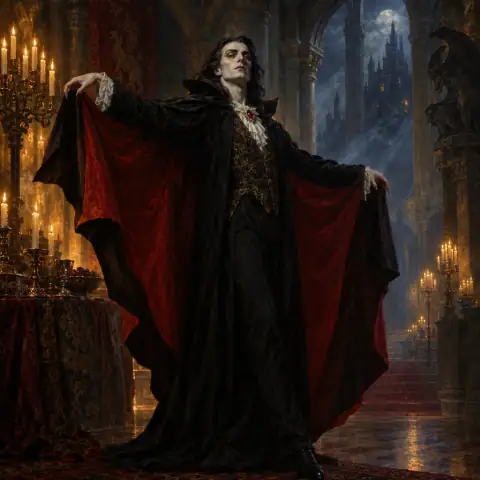
Vampire: The Masquerade invited players to become the monster. Released in 1991 by the newly formed White Wolf, the game cast its players as vampires in a shadowed version of the modern world, struggling to feed without losing what remained of their humanity and to hide their existence from mortals — the "Masquerade" of the title. It billed itself as "a storytelling game of personal horror," and that phrase announced a different ambition from the dungeon-delving mainstream of AD&D 2nd Edition.
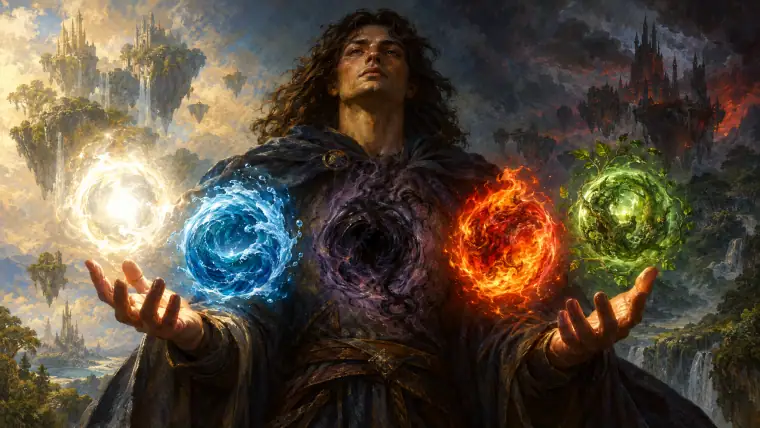
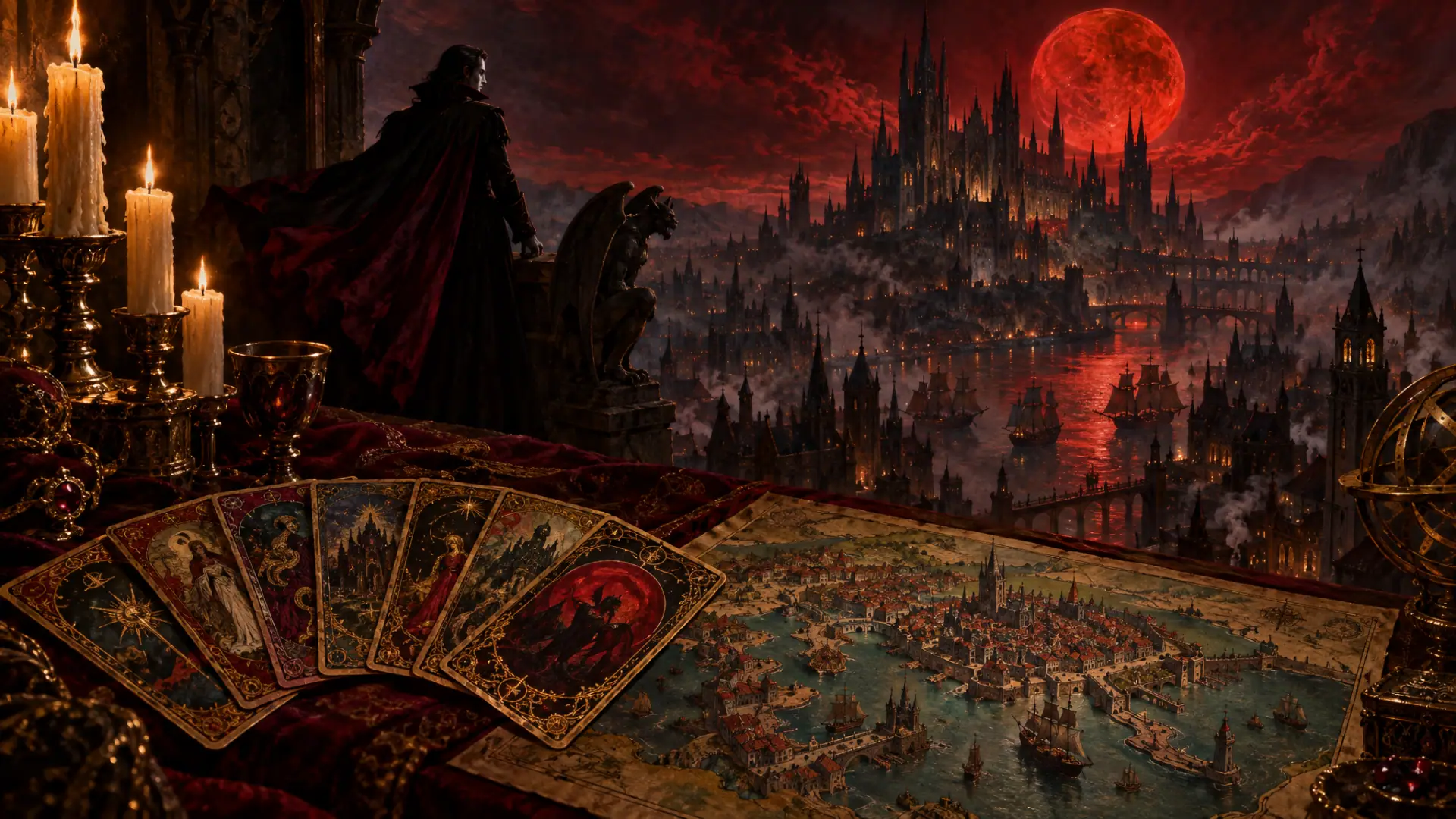
The game launched the World of Darkness, a shared "gothic-punk" setting that White Wolf extended through Werewolf: The Apocalypse (1992), Mage: The Ascension (1993) and more. For a decade it was the clearest alternative identity in American roleplaying: urban, literary, political and dressed in black.
Origins
The lead designer was Mark Rein·Hagen, who had co-created Ars Magica (1987) at Lion Rampant. Lion Rampant merged with Stewart Wieck's White Wolf magazine operation in 1991, and Vampire was the new company's first major release. Rein·Hagen's co-designers were Graeme Davis, Tom Dowd, Lisa Stevens and Wieck. Stevens later co-founded Paizo, one of several threads connecting this era to the next.
The team drew on earlier horror roleplaying such as Call of Cthulhu and on RuneQuest, on the small-press vampire game Nightlife, on Joseph Campbell's writing about myth, and on vampire films of the 1980s such as The Lost Boys. The clan structure that now defines the game reportedly arrived late in development, after a suggestion by Chris McDonough.
How it plays
The Storyteller system is built on pools of ten-sided dice. A character's Attributes (such as Strength or Manipulation) and Abilities (such as Brawl or Subterfuge) are rated in dots from one to five; a player adds the relevant pair and rolls that many d10s, counting each die that meets a difficulty number — usually 6. More successes mean a better result. The game master is the "Storyteller," and the rules repeatedly subordinate tactics to drama.
What made the system feel vampiric were the traits layered on top. The Blood Pool tracks the stolen vitae a character spends to heal, boost physical traits and fuel Disciplines — clan-specific supernatural powers such as Dominate, Obfuscate or Presence. Humanity measures how far a character has slid toward the Beast, the predatory instinct that surges into frenzy under hunger, fear or rage. Generation — how many steps a vampire stands from the mythical first murderer, Caine — limits raw power and fuels endless scheming, since killing and drinking an elder can lower one's generation.
Characters belong to one of thirteen clans, each with a distinct flavor: the rebellious Brujah, the aristocratic Ventrue, the artistic Toreador, the hideous Nosferatu, the insane Malkavians, the blood-sorcerer Tremere and the feral Gangrel form the backbone of the Camarilla, the sect that enforces the Masquerade. Opposing it is the monstrous Sabbat. Play typically revolves around a city's vampire court: favors owed, territories contested, and the question of what a person will do to survive forever.
The fifth edition (2018) kept the dice pools but replaced the Blood Pool with Hunger dice, which mix into every roll and can turn a success into a messy, bestial one.
Reception & impact
Vampire was an immediate commercial success, placing among the top ten best-selling tabletop RPGs in the United States in 1991. It won the 1992 Origins Award for Best Roleplaying Rules, ranked sixth in Arcane magazine's 1996 poll of the most popular roleplaying games, and joined the Origins Hall of Fame in 2007. Its emphasis on narrative, political intrigue and personal horror rather than tactical combat is widely regarded as a turning point in design, and the game is routinely named among the most influential RPGs ever published.
Its reach ran across media. White Wolf's Mind's Eye Theatre rules turned the game into live-action roleplay played in hotel ballrooms and nightclubs. Richard Garfield, fresh from Magic: The Gathering, designed the card game Jyhad (1994), later renamed Vampire: The Eternal Struggle. Aaron Spelling produced Kindred: The Embraced for Fox in 1996. On computers, Nihilistic Software's Redemption (2000) was followed by Troika Games' Bloodlines (2004), a flawed but adored Western Computer RPGs (CRPG) whose long-delayed sequel, Bloodlines 2, arrived in 2025.
Legacy
White Wolf retired the original line in 2004 in favor of Vampire: The Requiem, but Masquerade returned in a 20th Anniversary Edition in 2011. CCP Games owned White Wolf when Paradox Interactive bought it in October 2015; Paradox's fifth edition, published with Modiphius Entertainment, won the Origins Award for Best Roleplaying Game in 2019. It was also troubled: after the November 2018 sourcebook Anarch included material referencing the anti-gay purges in Chechnya, Paradox ended White Wolf's in-house development role. Renegade Game Studios became the publishing partner in 2020.
Beyond the corporate history, Vampire permanently widened what a roleplaying game could be about. The Urban Fantasy boom in fiction, the prestige of horror in tabletop, and the modern idea of the "monster as protagonist" all run through the World of Darkness.
Marginalia
- Vampire was among the ten best-selling tabletop RPGs in the United States in its 1991 release year.
- It won the 1992 Origins Award for Best Roleplaying Rules and entered the Origins Hall of Fame in 2007.
- The collectible card game Jyhad (1994), later Vampire: The Eternal Struggle, was designed by Richard Garfield, creator of Magic.
- Aaron Spelling produced a TV series based on the game, Kindred: The Embraced, for Fox in 1996.
- Troika Games' Vampire: The Masquerade – Bloodlines (2004) was built on Valve's Source engine and became a cult classic.
- Paradox Interactive bought White Wolf from CCP Games in October 2015; the fifth edition followed in 2018.
Quick answers
- When was Vampire: The Masquerade first released?
- Vampire: The Masquerade was first released in 1991.
- Who created Vampire: The Masquerade?
- Vampire: The Masquerade was made by Mark Rein·Hagen (lead designer).
- Who published or developed Vampire: The Masquerade?
- White Wolf Publishing.
- What kind of work is Vampire: The Masquerade?
- Vampire: The Masquerade is a tabletop RPG in the Tabletop Roleplaying Games, Urban Fantasy and Dark Fantasy tradition, released for Hardcover rulebook, Mind's Eye Theatre LARP and Video games.
- Why is Vampire: The Masquerade important?
- Vampire moved the commercial center of roleplaying from dungeon loot toward mood, character and intrigue, founding the World of Darkness and a durable rival identity to Dungeons & Dragons.