White Wolf challenged D&D's dominance in the 1990s, drew new and often older, more diverse players into the hobby, and made personal horror and storytelling central to tabletop play, influencing LARP, video games and urban fantasy.
History
White Wolf began as a fanzine. In 1986 Stewart and Steve Wieck, two young brothers in Georgia, launched a gaming magazine and named it White Wolf after Michael Moorcock's albino sorcerer Elric. Meanwhile Mark Rein·Hagen and Jonathan Tweet's small studio, Lion Rampant, had published the innovative Ars Magica (1987). In 1991 the two operations merged as White Wolf, led by Rein·Hagen and the Wiecks.
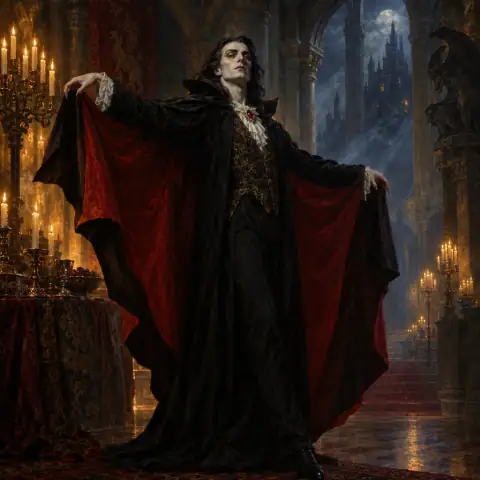
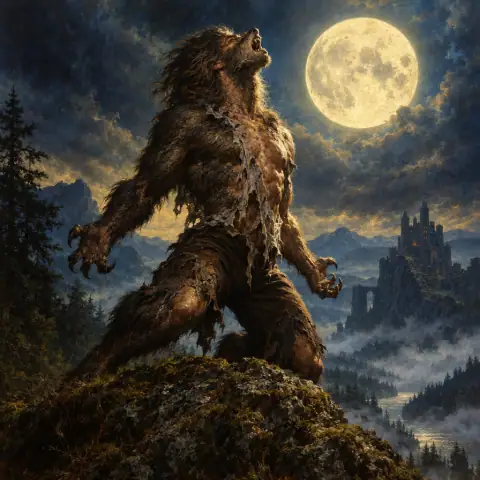
The new company's first major release changed the hobby. Vampire: The Masquerade (1991) cast players as vampires in a "gothic-punk" version of the modern world, fighting to feed without losing their humanity and hiding from mortals behind the Masquerade. Its "Storyteller" system used pools of ten-sided dice, but the rules mattered less than mood: the book talked about theme, tragedy and personal horror, and its clans, politics and ancient conspiracies drew players who had never been interested in dungeons. Werewolf: The Apocalypse (1992), Mage: The Ascension (1993), Wraith: The Oblivion (1994) and Changeling: The Dreaming (1995) filled out a shared World of Darkness. The Mind's Eye Theatre rules turned Vampire into live-action roleplay in hotel ballrooms and nightclubs. For a few years in the mid-1990s White Wolf was widely seen as the chief challenger to TSR, Inc..
White Wolf sold Ars Magica to Wizards of the Coast in 1994. It launched the fantasy games Exalted (2001) and Scion (2007), and in the d20 boom its Sword & Sorcery imprint published licensed D&D material, including a Ravenloft line and Monte Cook's Arcana Unearthed. In 2004 it ended the original World of Darkness with an in-game apocalypse and relaunched with Vampire: The Requiem.
In November 2006 White Wolf merged with the Icelandic studio CCP Games, maker of EVE Online, which planned a World of Darkness MMO; it was canceled in April 2014 after nine years. CCP stopped making tabletop games in 2012, licensing the lines to Onyx Path Publishing, founded by White Wolf creative director Richard Thomas. In October 2015 Paradox Interactive bought White Wolf, and a fifth edition of Vampire followed in 2018. That November, after a Vampire sourcebook included material referring to the persecution of gay men in Chechnya, Paradox ended White Wolf's role as a separate developer. In May 2025 Paradox revived the name for its World of Darkness licensing and publishing arm, which co-published Vampire: The Masquerade – Bloodlines 2 that year.
Notable work
The World of Darkness lines, Ars Magica, Exalted, Scion, the card game Vampire: The Eternal Struggle (acquired in 2000), Mind's Eye Theatre, and White Wolf magazine itself.
Legacy
White Wolf's influence runs far beyond its sales. It made storytelling and theme, not tactics, the declared heart of a mainstream RPG, anticipating the Narrative & Story Games (incl. Powered by the Apocalypse) movement. It is widely credited with bringing new players into the hobby, including many women and goths who had found D&D's culture unwelcoming, fed the Urban Fantasy boom, and inspired video games such as Vampire: The Masquerade – Bloodlines (2004). Many of the modern vampire's clans, politics and moral struggles in fiction and games owe something to a magazine started by two young brothers in Georgia.
Marginalia
- Stewart and Steve Wieck, young brothers in Georgia, published the first issue of White Wolf magazine in August 1986; they took the name from Michael Moorcock's Elric, the White Wolf.
- The company was formed in 1991 by merging the magazine with Mark Rein·Hagen's Lion Rampant, publisher of Ars Magica.
- Vampire: The Masquerade (1991) was followed by Werewolf: The Apocalypse (1992) and Mage: The Ascension (1993) in a shared World of Darkness.
- White Wolf sold Ars Magica to Wizards of the Coast in 1994.
- It announced a merger with CCP Games, maker of EVE Online, in November 2006; a World of Darkness MMO was canceled in April 2014 after nine years of work.
- Paradox Interactive bought White Wolf from CCP in October 2015.
- In May 2025 Paradox renamed its World of Darkness publishing arm White Wolf, which co-published Vampire: The Masquerade – Bloodlines 2 that year.
Quick answers
- What is White Wolf Publishing?
- The 1991 merger of a magazine and a game studio that launched Vampire: The Masquerade and the World of Darkness, made gothic-punk horror the hottest thing in 1990s gaming, and pulled roleplaying toward story.
- When was White Wolf Publishing founded?
- White Wolf Publishing was founded in 1991 and is based in Georgia, United States (originally); Stockholm, Sweden (under Paradox Interactive).
- Who founded White Wolf Publishing?
- Mark Rein·Hagen.
- What is White Wolf Publishing known for?
- Vampire: The Masquerade and Ars Magica.
- What happened to White Wolf Publishing?
- Merged with CCP Games in 2006; bought by Paradox Interactive in 2015; folded into Paradox in 2018; revived in May 2025 as Paradox's World of Darkness licensing and publishing brand.