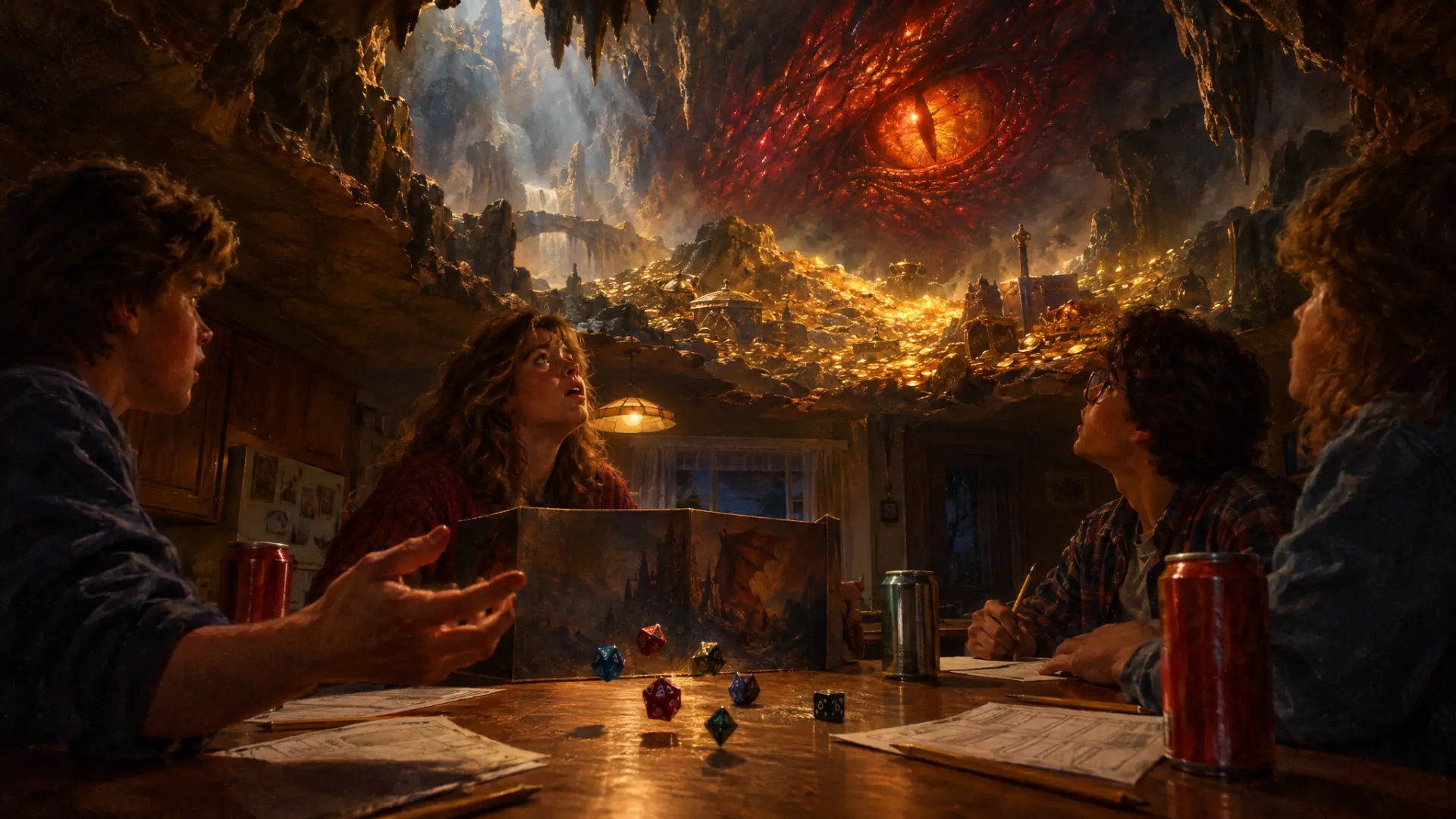
Shadowrun was an early major hit to fuse cyberpunk and fantasy, proving genre mash-up could sustain a long-lived franchise and inspiring novels, tie-in fiction and a string of video games from 1993 to the 2010s.
Overview
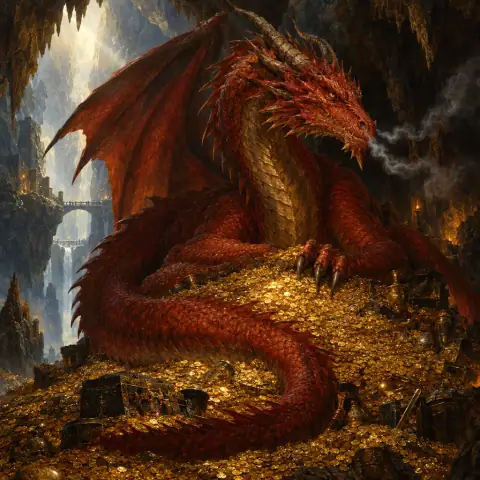
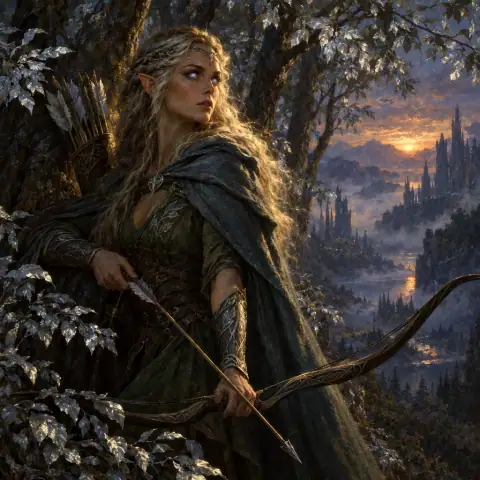
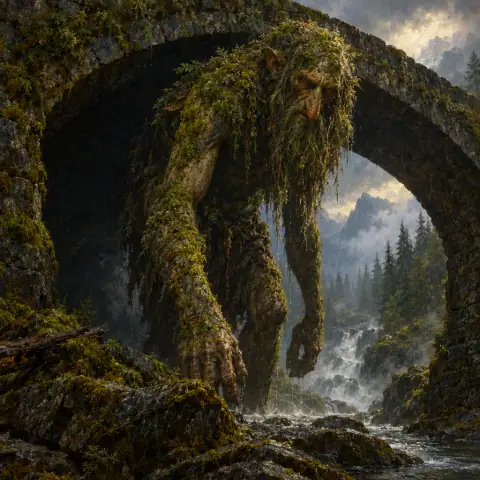
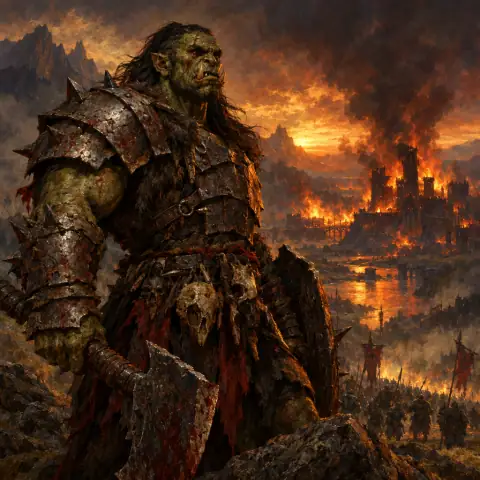
Shadowrun is a roleplaying game published by FASA Corporation in 1989 that collided two genres everyone else kept apart. Its world is a near future of cyberpunk — neon, chrome implants, global computer networks, corporations more powerful than nations — into which magic has suddenly returned. Elves, dwarves, orks and trolls walk the streets, shamans summon spirits in parking garages, and great dragons sit in corporate boardrooms.
Players are shadowrunners: deniable freelancers hired by megacorporations, crime syndicates and stranger patrons for data theft, extraction and sabotage. The flagship setting in the 1989 edition was Seattle in 2050.
Origins
FASA, a Chicago company co-founded by Jordan Weisman and L. Ross Babcock III, was known for BattleTech and its licensed Star Trek game. Shadowrun's first edition was designed by Robert N. Charrette, Paul Hume, Tom Dowd, Babcock, Sam Lewis and others, with Weisman credited among its original creators. It arrived in 1989, the same year TSR released AD&D 2nd Edition, and it borrowed its street-level texture from the cyberpunk fiction of William Gibson and its creatures from classic fantasy.
The bridge between those genres was a piece of invented history. In Shadowrun's timeline, magic reawakens as a long Mayan calendar cycle ends, beginning the "Sixth World": dragons rise, some humans "goblinize" into orks and trolls, and human parents give birth to elves and dwarves in a phenomenon called Unexplained Genetic Expression. Native American nations, using newly potent rituals, reclaim much of western North America. A catastrophic computer crash in 2029 leads to the rebuilding of global networks as the Matrix. Megacorporations win extraterritoriality, making their property sovereign soil.
Gibson himself was unimpressed, speaking of his "initial extreme revulsion at seeing my literary DNA mixed with elves." Players felt otherwise.
How it plays
A roleplaying game has no board and no winner. One player, the Game Master, describes the world and plays everyone in it; the others each control a single Player character and describe what that character attempts, while dice settle uncertain outcomes.
Shadowrun uses pools of six-sided dice. In the first three editions, a player rolls a number of dice equal to the relevant skill and counts every die that meets or beats a target number set by the difficulty; more successes mean a better result. If the target number exceeds 6, any 6 is rerolled and added, so long-shot tasks remain possible, while a 1 always fails. The fourth edition (2005) simplified this: every 5 or 6 counts as a "hit," compared against a threshold.
Characters are built around archetypes that became iconic: the street samurai, laced with cyberware and weapons; the decker, who jacks into the Matrix to hack corporate systems; the mage and the shaman, who cast spells and summon spirits; and the rigger, who mentally controls drones and vehicles. A central tension is "Essence": every piece of cyberware cuts into a character's humanity and ability to use magic. A typical session plans a job, runs it, and deals with the double-cross.
Reception & impact
Shadowrun's second edition (1992) won the Origins Award for Best Roleplaying Rules, and later editions collected ENnie Awards. It spun off an extensive fiction line: beginning with Charrette's Never Deal with a Dragon in December 1990, Roc published around forty novels with FASA through 2001. FASA also set a companion fantasy game, Earthdawn (1993), in the same world's distant magical past.
Video games followed almost at once. Beam Software's Shadowrun for the Super NES (1993), published by Data East and loosely based on Charrette's first novel, became a cult classic, and separate versions appeared on the Sega Genesis (1994) and Sega CD (1996).
Legacy
When FASA closed its doors in 2001, the Shadowrun rights passed to WizKids, and licensees — most lastingly Catalyst Game Labs — carried the roleplaying line through a fourth (2005), fifth (2013) and sixth (2019, Shadowrun, Sixth World) edition. In 2013 Jordan Weisman's Harebrained Schemes returned to the setting with Shadowrun Returns, funded on Kickstarter, followed by Dragonfall (2014) and Hong Kong (2015), turn-based computer RPGs that introduced the Sixth World to a new generation.
Shadowrun's larger legacy is permission. It showed that fantasy's familiar peoples could be dropped into radically different settings and gain new meaning — orks and trolls as a feared urban underclass, dragons as CEOs. The Urban Fantasy and Science Fantasy boom of later decades owes it a debt.
Marginalia
- In the game's future history, the Sixth World began when magic returned on December 24, 2011, at the close of a Mesoamerican calendar cycle, and dragons awoke.
- Some humans 'goblinized' into orks and trolls, while human parents began giving birth to elves and dwarves.
- William Gibson, whose Neuromancer shaped cyberpunk, admitted to an 'initial extreme revulsion at seeing my literary DNA mixed with elves.'
- In early editions, dice that roll a 6 are rerolled and added when the target number is higher than 6, so even very hard tasks remain possible.
- The first novel, Robert N. Charrette's Never Deal with a Dragon (1990), became the loose basis for the 1993 Super NES game.
- Shadowrun Returns (2013), from co-creator Jordan Weisman's Harebrained Schemes, was funded on Kickstarter.
Quick answers
- When was Shadowrun first released?
- Shadowrun was first released in 1989 (FASA).
- Who published or developed Shadowrun?
- FASA Corporation.
- What kind of work is Shadowrun?
- Shadowrun is a tabletop RPG in the Tabletop Roleplaying Games, Science Fantasy and Urban Fantasy tradition, released for Rulebooks, Novels and Video games.
- Why is Shadowrun important?
- Shadowrun was an early major hit to fuse cyberpunk and fantasy, proving genre mash-up could sustain a long-lived franchise and inspiring novels, tie-in fiction and a string of video games from 1993 to the 2010s.