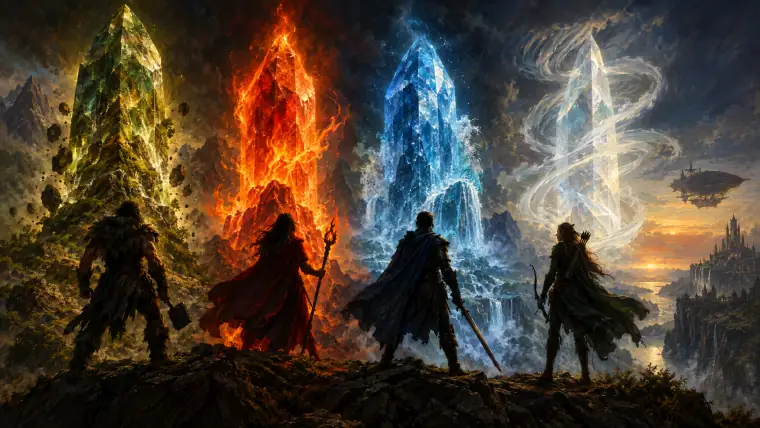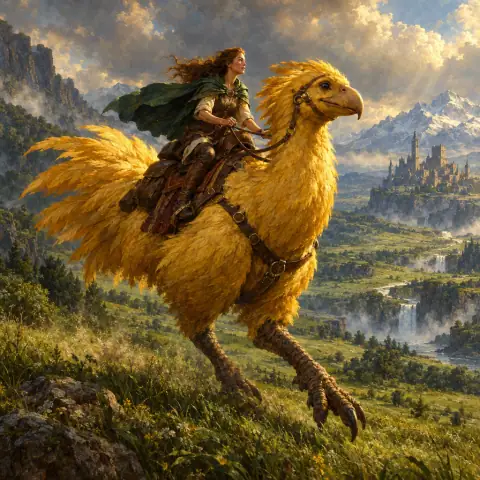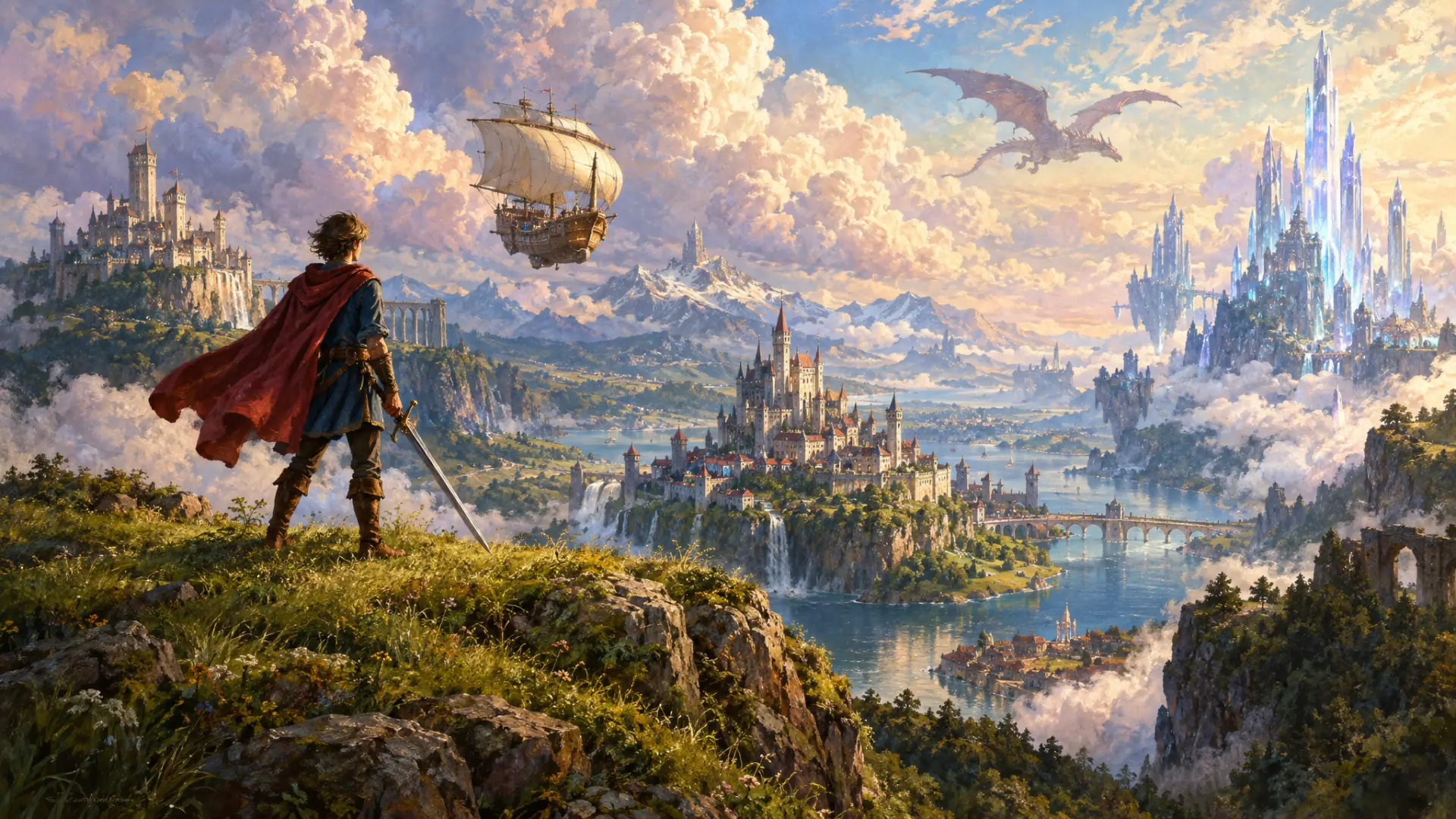
Square created Final Fantasy, Mana, SaGa and Chrono Trigger, and its move to PlayStation with Final Fantasy VII carried the Japanese RPG to a worldwide audience; as Square Enix it owns both Final Fantasy and Dragon Quest.
History
Square was born inside a power company. In September 1983 Den-Yu-Sha, an electrical firm, set up a software division; Masafumi Miyamoto, son of the company's owner, spun it off as an independent developer in September 1986. Its early releases for Japanese home computers and the Famicom were modest, and by 1987 the company was in financial trouble.
Hironobu Sakaguchi, who had joined as a part-time university student, proposed a role-playing game in the mold of Enix's hit Dragon Quest. The result, Final Fantasy, arrived on the Famicom on December 18, 1987, with music by Nobuo Uematsu and art by Yoshitaka Amano. It sold more than 400,000 copies in Japan and gave Square its future. In North America, Nintendo published it in 1990.
The next decade was Square's golden age. Final Fantasy IV (1991) introduced the Active Time Battle system; Akitoshi Kawazu's SaGa series began on the Game Boy in 1989; the Mana series grew into Secret of Mana (1993); and Final Fantasy VI (1994) pushed the Super Famicom to its limits. Chrono Trigger (1995) brought in Enix's Yuji Horii and Akira Toriyama for a collaboration between rival houses, and Square co-developed Super Mario RPG (1996) with Nintendo.
Then came the break. For Final Fantasy VII, Square abandoned Nintendo, whose Nintendo 64 still used cartridges, for Sony's CD-based PlayStation. Released in January 1997, the game was a worldwide success, and its prerendered backgrounds and cinematic cutscenes defined the Japanese RPG for a generation of Western players. Square's relationship with Nintendo soured; its games largely stayed off Nintendo hardware until 2003, when Final Fantasy Tactics Advance (Game Boy Advance) and Final Fantasy Crystal Chronicles (GameCube) appeared.
Ambition turned costly with Final Fantasy: The Spirits Within (2001), a computer-animated film that cost about $137 million and grossed about $85 million. Square Pictures closed, and Sony took a minority stake in Square that year. Recovery came through Final Fantasy X (2001), Kingdom Hearts (2002) and Final Fantasy XI (2002), the company's first MMORPGs. On April 1, 2003, Square merged with Enix, with Enix as the legally surviving company, renamed Square Enix.
Notable work
Square's core is Final Fantasy: a series that reinvents its world with each numbered entry but keeps crystals, airships, Cid and the Chocobo. Around it stand SaGa, Mana, Front Mission and Chrono Trigger, often cited as one of the finest RPGs ever made. As Square Enix, the company added Dragon Quest to the same portfolio, launched Final Fantasy XIV in 2010 and relaunched it as A Realm Reborn in 2013, and returned to its most famous game with the Final Fantasy VII Remake project, whose second part, Rebirth, appeared in 2024.
Legacy
Square Enix grew by acquisition — Taito in 2005, the British publisher Eidos in 2009 — and then contracted: in 2022 it sold Crystal Dynamics, Eidos-Montréal, franchises such as Tomb Raider and Deus Ex, and the rights to more than fifty games to Embracer Group for $300 million. Under Takashi Kiryu, president since 2023, it announced in 2024 that it would make fewer games and release them on more platforms. As of 2026 it remains an independent, Tokyo-listed company. Square's larger legacy is cultural: Final Fantasy VII made the Japanese RPGs (JRPG) a global genre, and the careers of Sakaguchi, Uematsu and Amano run through the whole The Japanese Line: Console RPGs.
Marginalia
- Square began in September 1983 as the software arm of Den-Yu-Sha, an electric power company; Masafumi Miyamoto spun it off as an independent company in September 1986.
- Final Fantasy (1987) was proposed by Hironobu Sakaguchi, a university student hired part-time, when the company was struggling; it sold more than 400,000 copies in Japan.
- Square chose Sony's PlayStation over the cartridge-based Nintendo 64 for Final Fantasy VII (1997), largely because CD-ROMs were cheaper and roomier.
- The 2001 film Final Fantasy: The Spirits Within cost about $137 million and grossed about $85 million, and Square Pictures closed.
- Square merged with Enix on April 1, 2003; Enix was the surviving entity, and Square's Yoichi Wada became president of Square Enix.
- In 2022 Square Enix sold Crystal Dynamics, Eidos-Montréal, Tomb Raider, Deus Ex and the rights to more than 50 games to Embracer Group for $300 million.
Quick answers
- What was Square / Square Enix?
- The Tokyo studio that bet its survival on a game called Final Fantasy, then spent two decades reinventing the Japanese RPG before merging with its great rival Enix in 2003.
- When was Square / Square Enix founded?
- Square / Square Enix was founded in 1986 and was based in Meguro, Tokyo (Square); Shinjuku, Tokyo (Square Enix); it closed in 2003.
- Who founded Square / Square Enix?
- Masafumi Miyamoto (Square began in September 1983 as the software division of his father's company, Den-Yu-Sha, and became independent in September 1986)
- What is Square / Square Enix known for?
- Final Fantasy, Final Fantasy VI, Final Fantasy VII, Secret of Mana, Chrono Trigger and Final Fantasy XI.
- What happened to Square / Square Enix?
- Merged with Enix on April 1, 2003, to form Square Enix, which remains independent and Tokyo-listed as of 2026.