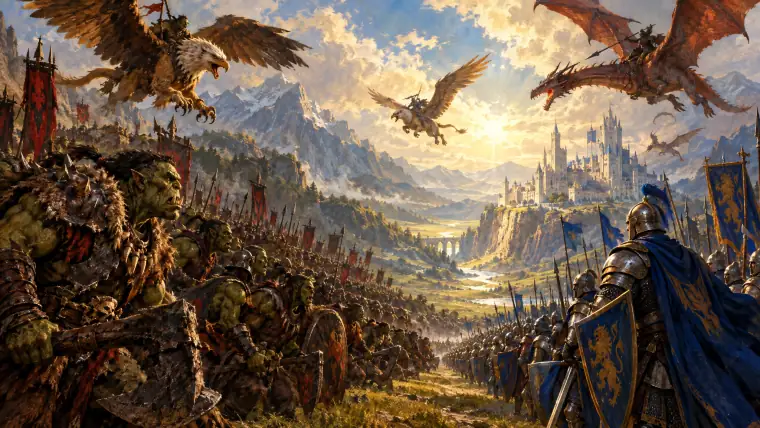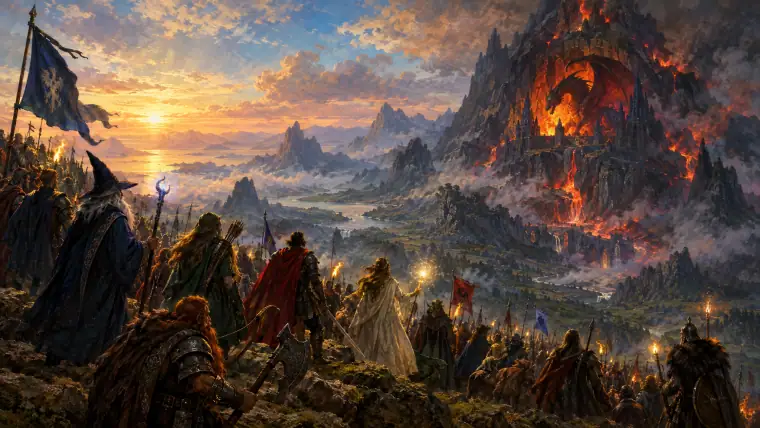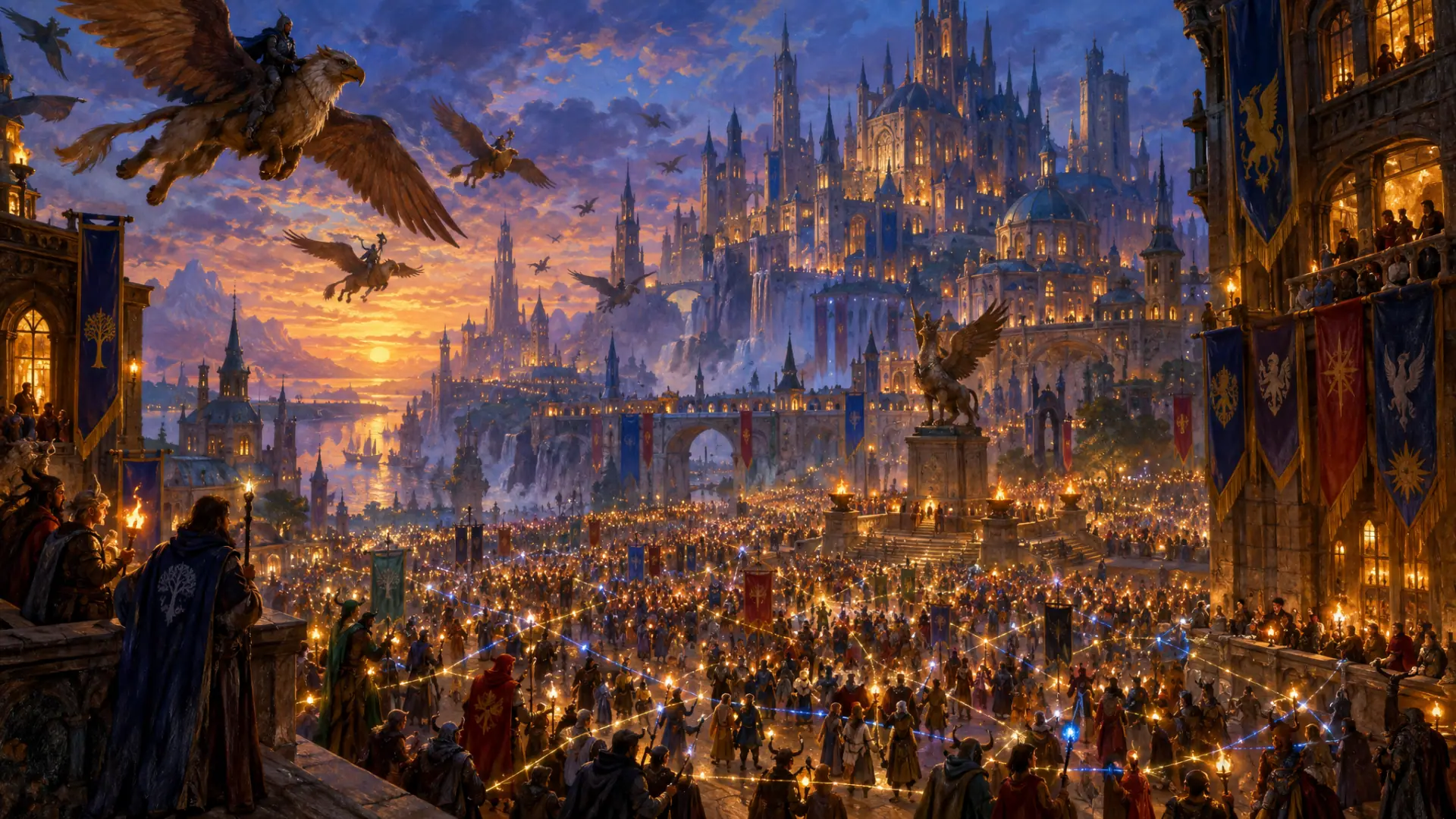
As lead designer of World of Warcraft, Pardo distilled what he had learned in EverQuest into the most successful subscription MMORPG ever made, bringing online fantasy worlds to a mass audience.
Life
Rob Pardo was born on June 9, 1970, in Southern California. His route into games began at the tabletop: he served as the Dungeon Master for his friends' Dungeons & Dragons games, and that experience first drew him toward game design. In a 2014 interview he traced his competitive streak to his father, whose only child he was. He toyed with becoming a film director, then enrolled at the University of California, Irvine, intending to become a lawyer.
A job at an electronics store redirected him. When a co-worker applied to the nearby game developer Interplay Productions, Pardo applied too and was hired. His stay at Interplay was brief, but it put him in Irvine's game-industry orbit at exactly the right time.
Work
In 1997 Blizzard Entertainment, also based in Irvine, hired Pardo, in part because he was so good at its real-time strategy games. He worked on StarCraft (1998), became lead designer of its expansion Brood War, and then led design on Warcraft III: Reign of Chaos (2002), whose heroes, creeps and item drops folded role-playing ideas into strategy. He was promoted to vice president of game design.
Pardo's formative experience as a player, though, came in EverQuest. He was a member of Legacy of Steel, a high-end guild famous for being first to defeat the game's hardest encounters; there he met Jeff Kaplan, whom he later hired as a quest designer. When Blizzard set out to make its own online world, set in the Warcraft universe, Pardo drew on those long nights in Norrath to guide the design of World of Warcraft, serving as its lead designer. Blizzard's approach, as it has often been described since, was to keep what made EverQuest compelling, including classes built around group roles (the holy trinity), dungeons and endgame raids, while stripping out the punishing downtime, harsh death penalties and confusion that kept most people from ever trying an MMO.
The result, announced in 2001 and released on November 23, 2004, in time for the Warcraft franchise's tenth anniversary, was a phenomenon. World of Warcraft offered clear quests to guide players from level to level, private instanced dungeons for small groups, a forgiving approach to death and a stylized art direction that ran on modest PCs. It quickly became the most popular MMORPG ever made, peaking at 12 million subscribers in October 2010, and it spawned its own folklore, from the Leeroy Jenkins video to the Corrupted Blood Incident, along with a convention, BlizzCon. In 2006 Time named Pardo to its Time 100 list of influential people, a tribute some Blizzard staff criticized for attributing a team's collective work to one individual.
As Blizzard's senior design executive, Pardo influenced much of its later work. After the 2005 closure of Blizzard North restarted development of Diablo III, he recruited Jay Wilson to direct it, and he proposed the game's real-money auction house, which proved controversial and was removed in 2014. He shelved a digital version of the World of Warcraft trading card game, a pause that indirectly cleared the way for Hearthstone. He also championed Blizzard's planned successor MMO, code-named Titan, which suffered from internal disagreements about its direction. Named chief creative officer in 2013, he rebooted Titan; he left Blizzard on July 3, 2014, after nearly 17 years, and Titan's remnants were later reworked under Jeff Kaplan into the hero shooter Overwatch.
In 2016 Pardo founded Bonfire Studios, raising $25 million from the venture firm Andreessen Horowitz and from Riot Games.
Legacy
Pardo's career is the clearest line in this museum between the hardcore online worlds of the late 1990s and the mass-market MMO. He took the lessons of Brad McQuaid's EverQuest, the raids, the class roles, the guild culture, and made them approachable to millions of people who had never heard of a MUDs (Multi-User Dungeons). World of Warcraft in turn set the expectations that every later fantasy MMO, from The Lord of the Rings Online to Final Fantasy XIV, had to answer, and its questing structure and raid design seeped into single-player and cooperative games as well.
The criticism of his Time 100 recognition is part of that legacy too: World of Warcraft was the product of a large team, and Pardo himself worked within Blizzard's collaborative culture. But as the designer who set the direction, he stands with Raph Koster and McQuaid among the handful of people who decided what online fantasy would feel like for a generation.
Marginalia
- Born June 9, 1970, in Southern California, he got hooked on game design as Dungeon Master for his friends' D&D games.
- He briefly worked at Interplay Productions before Blizzard Entertainment hired him in 1997, partly for his skill at real-time strategy games.
- He was lead designer of StarCraft: Brood War and Warcraft III: Reign of Chaos before leading design on World of Warcraft.
- He and Jeff Kaplan, later a WoW quest designer, met through the EverQuest guild Legacy of Steel, known for world-first kills.
- Time named him to its 2006 Time 100 list; Blizzard colleagues objected to crediting one person for a team's work.
- World of Warcraft peaked at 12 million subscribers in October 2010.
Quick answers
- Who is Rob Pardo?
- The Dungeon Master and EverQuest raider who became Blizzard's design chief, steering Warcraft III and World of Warcraft into the mainstream before leaving to found Bonfire Studios.
- When was Rob Pardo born?
- Rob Pardo was born in 1970 in Southern California.
- What is Rob Pardo known for?
- Rob Pardo is best known for World of Warcraft.
- Why does Rob Pardo matter to fantasy and games?
- As lead designer of World of Warcraft, Pardo distilled what he had learned in EverQuest into the most successful subscription MMORPG ever made, bringing online fantasy worlds to a mass audience.