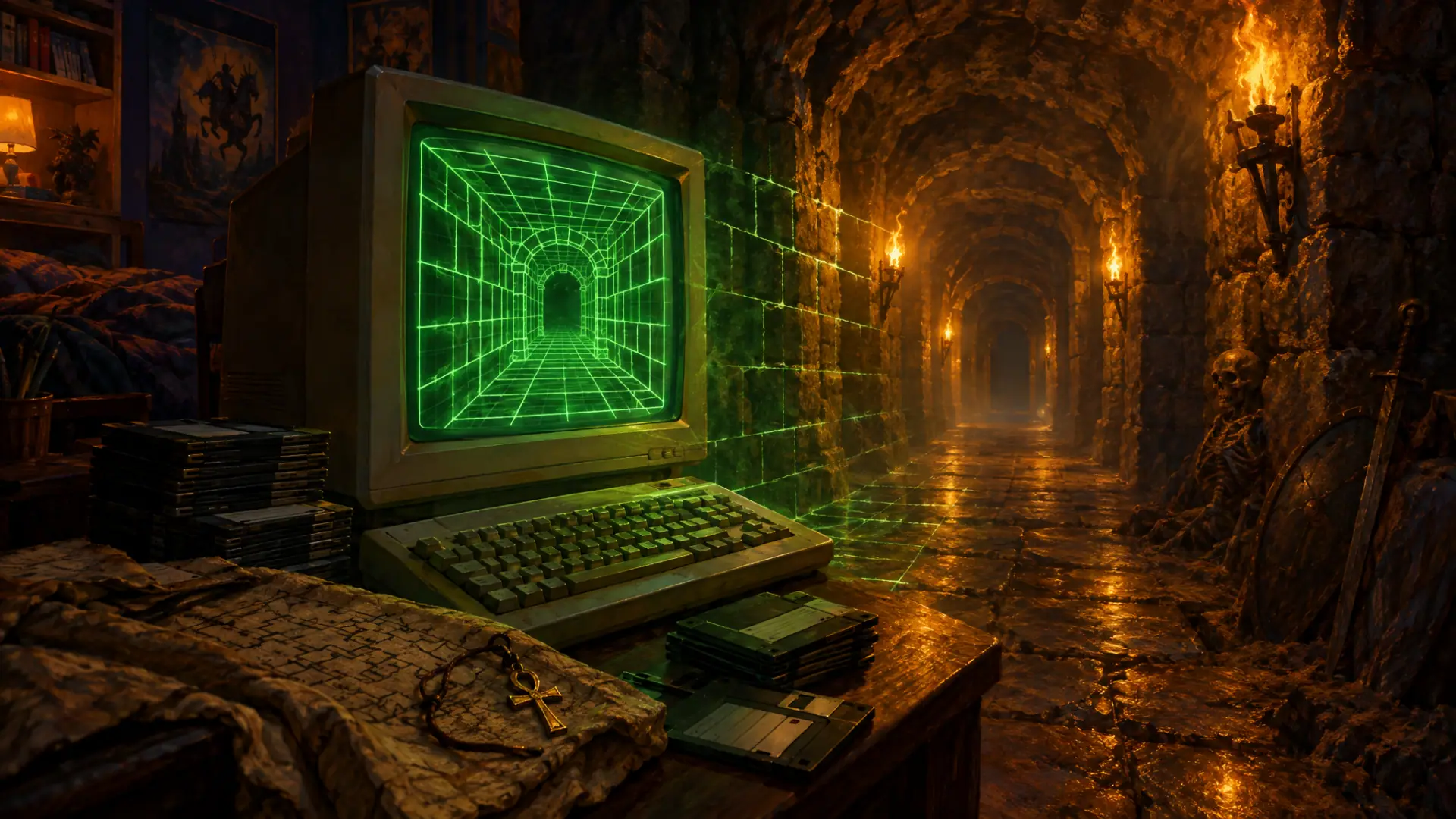
Woods's expanded Colossal Cave Adventure was the version that spread worldwide, bringing tabletop-style fantasy, scoring and puzzles to the computer and inspiring Zork, Rogue and MUD1.
Life
Donald R. Woods was born on April 30, 1954. As a student at Princeton University in 1972 he teamed up with James M. Lyon to create INTERCAL, a programming language designed as a joke, deliberately unlike every language before it. The prank became a landmark of hacker humor, and it fits the rest of Woods's career: a sense of play applied with great technical care.
He went on to graduate work at Stanford, where he was associated with the Stanford Artificial Intelligence Laboratory (SAIL), one of the great hacker centers of the 1970s. There he became SAIL's contact for, and a contributor to, the Jargon File, the collaborative lexicon of hacker slang, and he later co-authored The Hacker's Dictionary with Mark Crispin, Raphael Finkel, Guy L. Steele Jr. and others.
Work
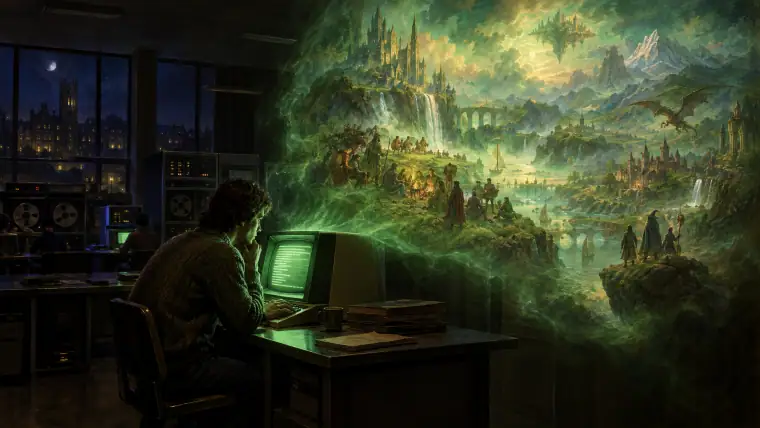
Around the turn of 1977 (accounts give 1976 or 1977) Woods came across a strange program on a Stanford computer: a text game about exploring a cave, written by someone named Crowther. The game had spread across the ARPANET on its own. Woods wanted to improve it, so he needed the source code and the author's permission. With no directory to consult, he sent an email addressed to "crowther" at every host on the network. Will Crowther answered from BBN, sent the code, and gave his blessing.
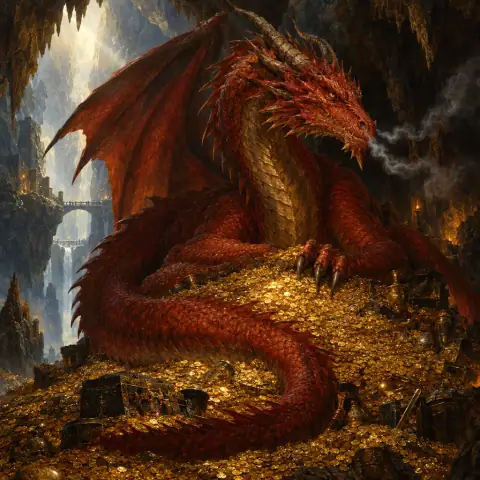
Woods began work in March 1977 and had a releasable version by May. He kept Crowther's cave but pushed it firmly toward fantasy. Crowther's game was a faithful map of Kentucky's Mammoth Cave with a few magical touches; Woods, who had never been to Mammoth, added a Dragon to be slain, a pirate who roams the passages stealing treasure, objects that change state, and many new puzzles. He added ten treasures to Crowther's five and introduced a points system, with 350 points for collecting every treasure and escaping alive. The code grew to about 3,000 lines of program and 1,800 lines of data, with some 140 locations, 293 vocabulary words and 53 objects. Knowing how addictive the game was, he also added controls that let administrators forbid it during working hours.
Crucially, Woods shared his source code along with the program, while Crowther had not. That openness made Woods's version the standard. Within months it had been ported to other machines, including James Gillogly's C version for Unix and Bob Supnik's PDP-11 port, and tapes circulated through the DECUS user group. Woods kept refining the game, issuing updated Fortran editions until 1995. In 2017 Eric S. Raymond released Open Adventure, a modern port of that 1995 version, with the permission of both authors.
Legacy
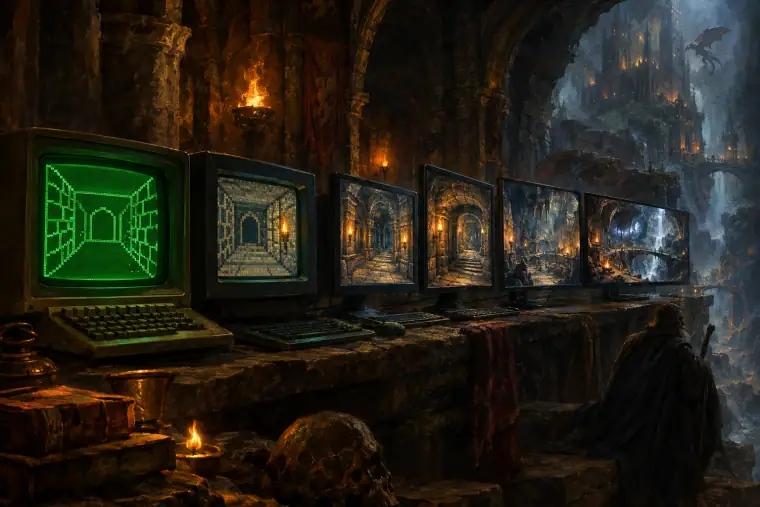
Woods's Adventure is the one that, in the words of programmer Walter Bright, "caused a sensation." It was the version that inspired the MIT students who began writing Zork within a month of its release, the version Roberta Williams played before creating Mystery House, and part of the lineage behind Rogue and MUD1. By adding RPG-flavored monsters, treasure and score, Woods did much to make the game a bridge between Dungeons & Dragons and the computer; he can fairly be counted among the progenitors of both the adventure game and Interactive Fiction & Text Adventures, and a relative of the Western Computer RPGs (CRPG).
He and Crowther received almost nothing from its commercial versions; the 1981 release by The Software Toolworks, which they endorsed for a nominal payment, was the only one that paid them. Woods has since spoken about the game in interviews, including for Jason Scott's 2010 documentary Get Lamp. His most lasting contribution is a model of collaboration that the hacker world adopted as its own: take a program you love, ask its author, improve it, and give the result away.
Marginalia
- Born April 30, 1954, Woods co-created the deliberately absurd INTERCAL programming language with James Lyon at Princeton in 1972.
- To find Adventure's author, he emailed "crowther" at every host on the ARPANET.
- His 1977 version grew the game to about 140 locations, 53 objects, 15 treasures and a maximum score of 350 points.
- Woods added access controls so system administrators could stop the game running during business hours.
- He kept releasing updated editions of Adventure in Fortran until 1995.
- He contributed to the Jargon File and co-authored The Hacker's Dictionary with Guy L. Steele Jr. and others.
Quick answers
- Who is Don Woods?
- The Stanford hacker who found Will Crowther's cave game on the ARPANET in 1977 and, with a dragon, a pirate and a 350-point score, turned it into the Adventure that conquered every computer room.
- When was Don Woods born?
- Don Woods was born in 1954.
- What is Don Woods known for?
- Don Woods is best known for Colossal Cave Adventure.
- Why does Don Woods matter to fantasy and games?
- Woods's expanded Colossal Cave Adventure was the version that spread worldwide, bringing tabletop-style fantasy, scoring and puzzles to the computer and inspiring Zork, Rogue and MUD1.