Shouzou Kaga's fusion of turn-based war game and character-driven RPG, with permanent death for fallen units, is credited with codifying and popularizing the tactical RPG and launched Nintendo's Fire Emblem series.
Overview
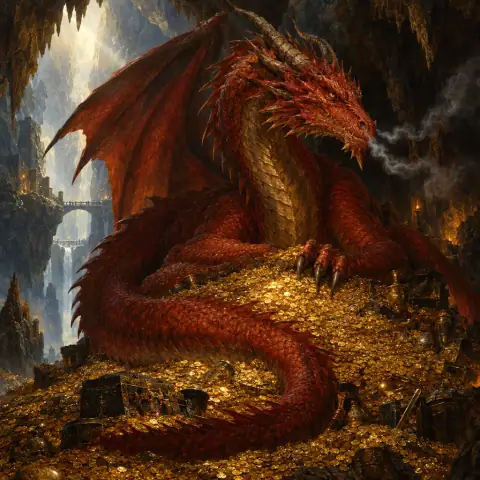
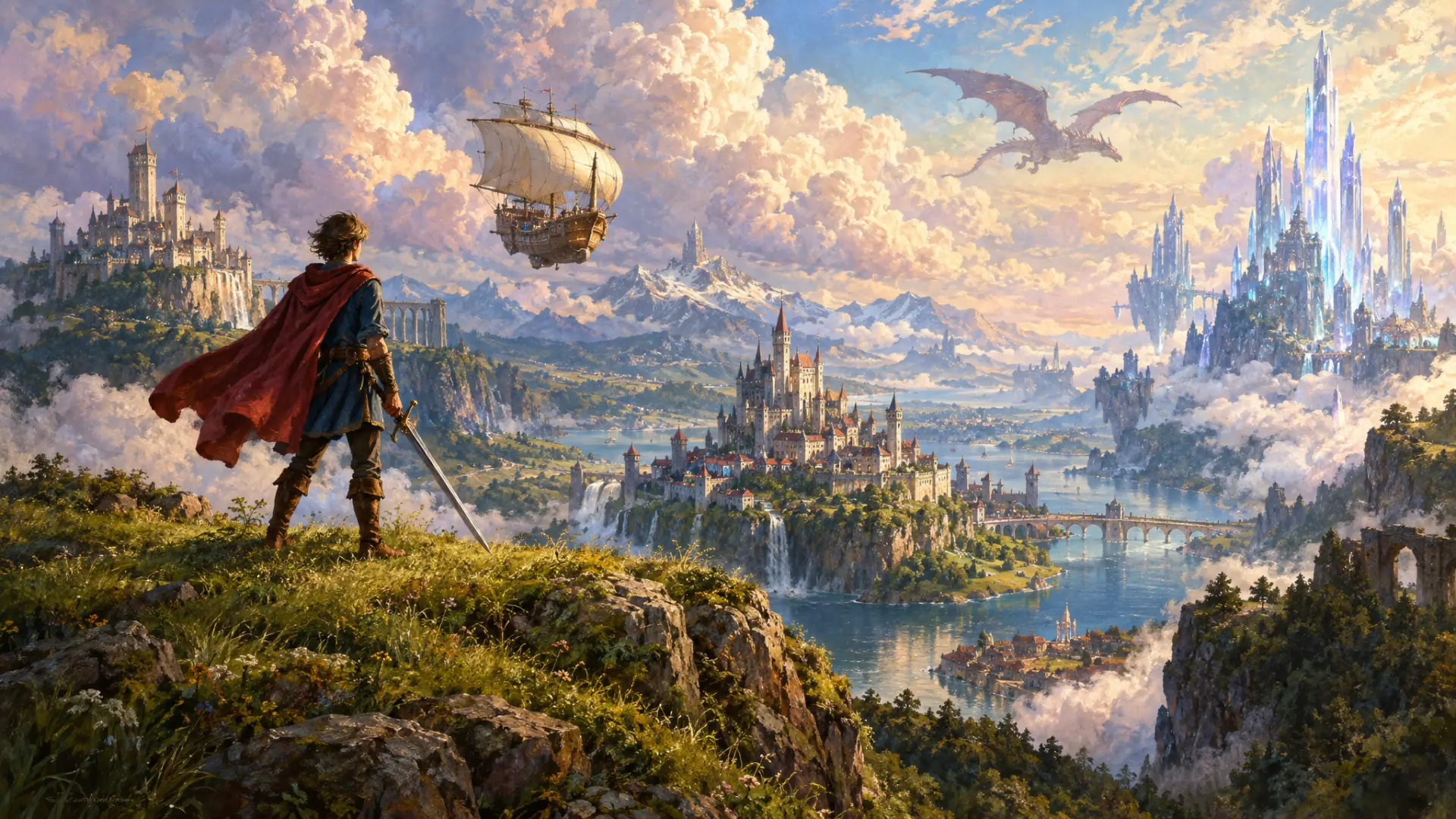
Fire Emblem: Shadow Dragon and the Blade of Light — sold in Japan simply as Fire Emblem — is a tactical role-playing game developed by Intelligent Systems with Nintendo Research & Development 1 and published by Nintendo for the Famicom on April 20, 1990. On the continent of Archanea, the Shadow Dragon Medeus has risen again a century after his defeat and allied with the sorcerer Gharnef. Altea's king is killed, the divine sword Falchion is stolen, and the young Prince Marth flees into exile. The game follows Marth as he gathers allies, recovers the Fire Emblem — a legendary shield — and marches back across the continent to reclaim his kingdom and slay the dragon.
It never came to the West on the Famicom. The story reached English-speaking players first through a 2008 Nintendo DS remake, Fire Emblem: Shadow Dragon (released in North America on February 16, 2009), and the original game was officially translated only in 2020.
Origins
Intelligent Systems had begun as a hardware support company for the Famicom before turning to what it called "simulation games," and its war game Famicom Wars (1988) had just been completed. Designer and writer Shouzou Kaga proposed the next project to Nintendo in a design document that already contained the story, the lead character and the core mechanics; it was then called Battle Fantasy Fire Emblem. Kaga cited Kure Software Koubou's PC game First Queen (1988) as an influence, and he wanted to marry Famicom Wars' strategy to the story, characters and world of a role-playing game. As he explained it, RPGs had strong stories but a single protagonist, while tactics games had many characters but weak stories — Fire Emblem would give players an army of people to care about. Kaga did not even regard Marth as the main character.
Conceptual work began in 1987. Keisuke Terasaki directed, Gunpei Yokoi — creator of the Game Boy — produced, and Yuka Tsujiyoko, then the only composer at Intelligent Systems, wrote the music. Kaga described it as a dōjin project, made on a whim rather than as a sure commercial product. The ambitions strained the cartridge: planned story illustrations, such as Marth kneeling beside a wounded knight, were cut when the chip proved too small, and the team borrowed memory meant for save data and had Nintendo help create a chip to display Japanese text. An early draft had two dragon bosses, Earth and Water; the Earth Dragon evolved into Medeus.
How it plays
The campaign is a linear series of battle maps. Each is a grid on which the player's units and the enemy's take turns moving; a map is won by defeating key enemy units such as commanders and bosses. Every unit belongs to a character class that shapes how it fights: mounted and flying units move farther, archers strike from range, heavily armored knights shrug off blows, and some classes wield magic. When two units clash, the screen cuts to a side-view battle animation. Each action earns experience; at 100 points a unit gains a level, and its statistics rise at random, so every soldier develops a little differently.
Weapons wear out after a set number of uses, money is scarce, and villages and hidden vendors along the way sell supplies. Above all, death is final: a unit that falls is removed from the rest of the game, and if Marth falls, the game is over. This permanent death, applied to a cast of 52 recruitable characters with their own small stories, is what turns each map into a test of caution — and each loss into a personal one.
Reception & impact
Japanese magazines were harsh at first, faulting poor graphics and a game that was difficult to understand, but readers were kinder: Family Computer Magazine's poll scored it 23.48 out of 30. Sales were flat for two months, then climbed as word of mouth spread; Kaga recalled that a notable journalist devoted a Famitsu column to the game about six months after release. By 2002 it had sold 329,087 copies, and it had earned a sequel, Fire Emblem Gaiden (1992). It is also remembered for an unusually elaborate live-action television commercial. The 2020 Switch edition drew "mixed or average" reviews (62 on Metacritic), mostly for showing its age.
Legacy
The game's basic structure — grid maps, class-based units, weapon durability and permadeath — underlies nearly every later Fire Emblem, and it is credited with making the tactical RPG popular in Japan, indirectly influencing Tactics Ogre, Final Fantasy Tactics and Disgaea. Kaga led the series through Thracia 776 before leaving Intelligent Systems. The series stayed in Japan until Marth and Roy appeared in Super Smash Bros. Melee in 2001; that exposure, with the success of Advance Wars, is cited as the reason Nintendo released The Blazing Blade in the West in 2003 simply as Fire Emblem. Archanea returned in Mystery of the Emblem, its remakes, and Fire Emblem Awakening. Alongside Dragon Quest and Final Fantasy, it is one of the founding games of the Japanese line.
Marginalia
- Released in Japan on April 20, 1990, it had no official English release until a Nintendo Switch edition on December 4, 2020, sold only until the end of March 2021.
- Its early promotional title was Battle Fantasy Fire Emblem; the Fire Emblem itself is a shield.
- Kaga called it a dōjin project, made on a whim rather than as a commercial product.
- A player can recruit 52 characters, and any who fall in battle are gone for the rest of the game.
- Sales were flat for two months until word of mouth and a Famitsu column spread the news; by 2002 it had sold 329,087 copies.
- Many Western players first met its hero Marth as a fighter in Super Smash Bros. Melee (2001), which helped bring the series overseas.
Quick answers
- When was Fire Emblem: Shadow Dragon and the Blade of Light first released?
- Fire Emblem: Shadow Dragon and the Blade of Light was first released in 1990 (Famicom, Japan); 2020 (first official Western release, Nintendo Switch).
- Who created Fire Emblem: Shadow Dragon and the Blade of Light?
- Fire Emblem: Shadow Dragon and the Blade of Light was made by Shouzou Kaga (concept, scenario & design).
- Who published or developed Fire Emblem: Shadow Dragon and the Blade of Light?
- Nintendo.
- What kind of work is Fire Emblem: Shadow Dragon and the Blade of Light?
- Fire Emblem: Shadow Dragon and the Blade of Light is a tactical RPG in the Tactical & Strategy RPGs and Japanese RPGs (JRPG) tradition, released for Famicom, Virtual Console (Japan) and Nintendo Switch (2020).
- Why is Fire Emblem: Shadow Dragon and the Blade of Light important?
- Shouzou Kaga's fusion of turn-based war game and character-driven RPG, with permanent death for fallen units, is credited with codifying and popularizing the tactical RPG and launched Nintendo's Fire Emblem series.