Cranford's The Bard's Tale (1985) brought the Wizardry-style dungeon crawl to the Commodore 64 with color, animation and music, broke Ultima's hold on RPG sales, and made Interplay's name.
Life
Michael Cranford was born in Orange, California. While still in high school he and his friend Brian Fargo made their first game together, Labyrinth of Martagon. He studied architecture at the University of California, Berkeley, before the games industry claimed him in the early 1980s. His Christian faith would surface in his games and, later, in his academic work.
Work
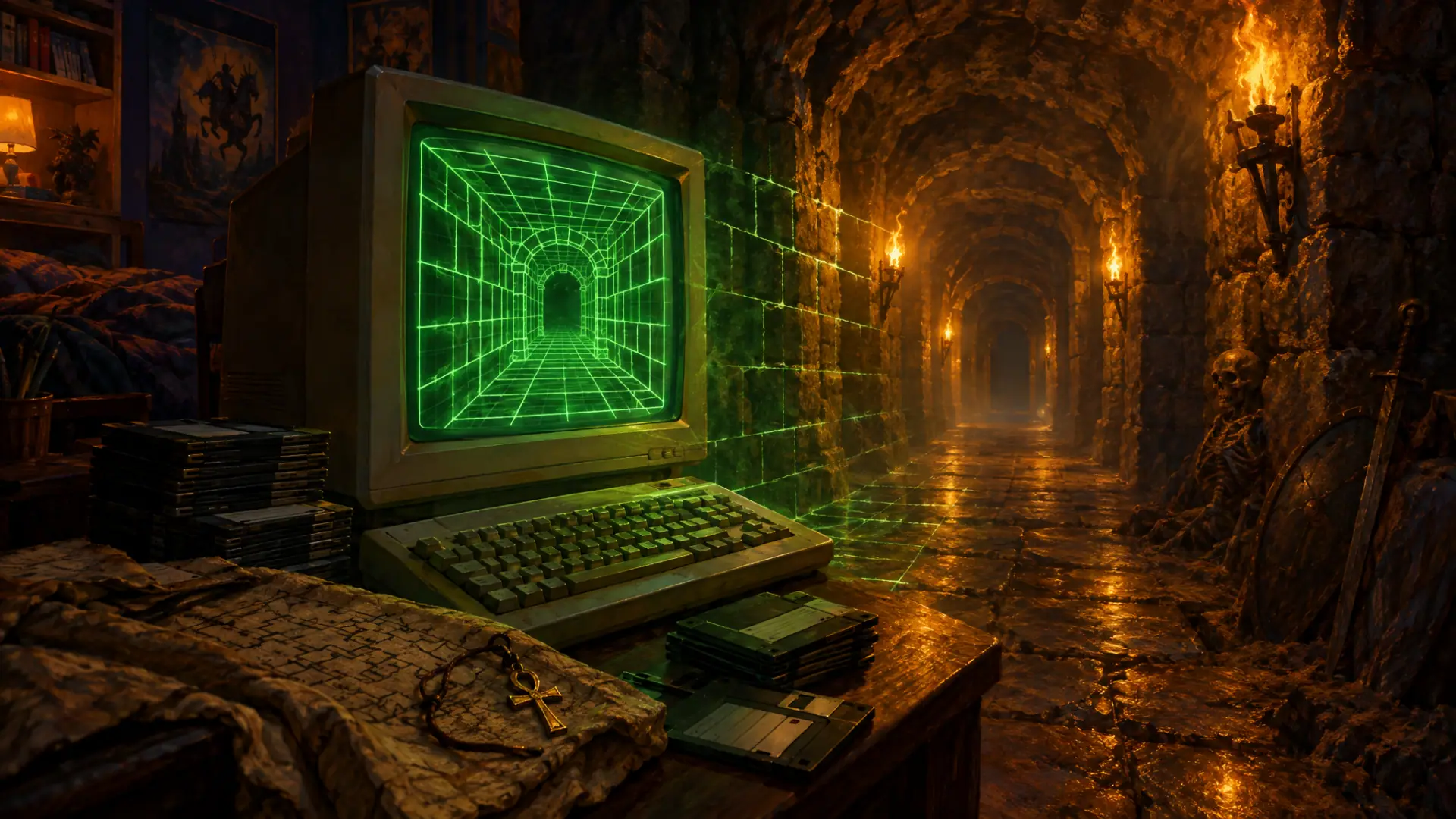
Cranford's first professional work was for Human Engineered Software, for which he ported Story Machine to the VIC-20 and in 1983 designed and programmed Maze Master, a small dungeon game that he later called a spiritual predecessor of his most famous work. He also programmed the Apple II version of Donkey Kong for Atarisoft and the Commodore 64 version of Super Zaxxon for HES.
Meanwhile Fargo had founded Interplay Productions in 1983 and, after the adventure game Mindshadow, wanted to make a role-playing game for Electronic Arts, then a young publisher. He brought in his old friend. Cranford conceived, designed and programmed the project, first announced as Shadow Snare, which became Tales of the Unknown, Volume I: The Bard's Tale (1985). Fargo and Roe Adams III contributed additional design, David Lowery drew the graphics, Lawrence Holland wrote the music, and Rebecca Heineman supplied data-compression routines that let Cranford pack in so much art and animation. Cranford said most of the design drew on his and Fargo's Dungeons & Dragons sessions, and he set out to surpass the Apple version of Wizardry: Proving Grounds of the Mad Overlord, which he felt fell short.
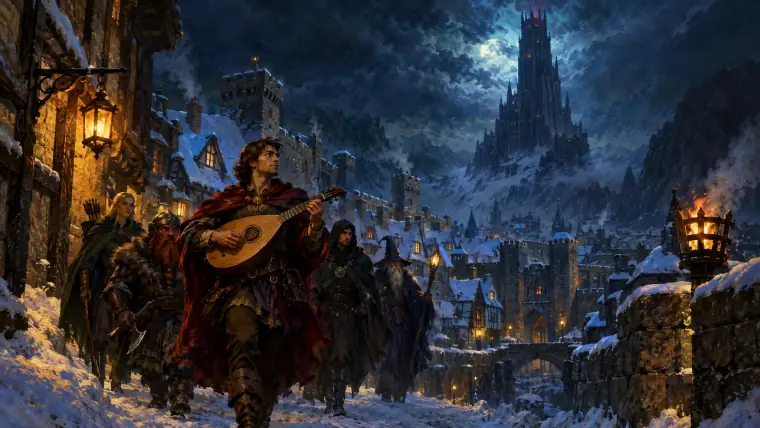
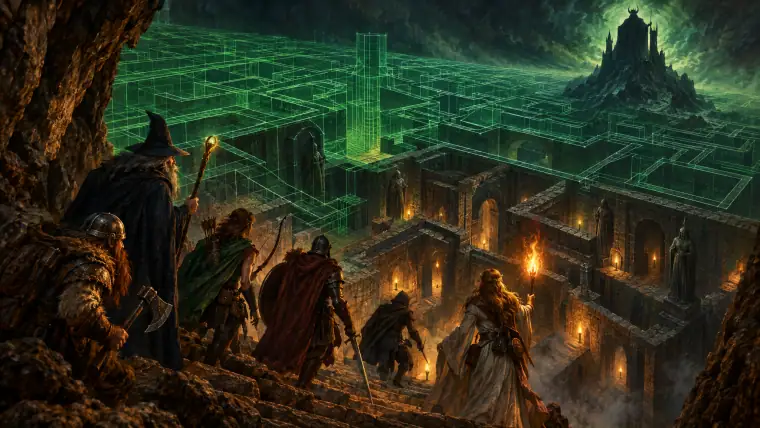
The game dropped a The party of up to six adventurers into Skara Brae, a town frozen in eternal winter by the wizard Mangar, and sent them through its sewers, catacombs and towers in first-person view. Its signature was the bard, whose songs worked as lasting spells, each accompanied by music, and it offered classes such as the monk, hunter and conjurer, animated monster portraits and 85 spells cast by typing four-letter codes from the manual. On some platforms players could import characters from Wizardry and Ultima III. It sold about 407,000 copies, the most of any computer RPG of the 1980s, challenging the Ultima series' commercial dominance, especially among Commodore 64 owners who could not yet play Wizardry. By 1993 the series had passed a million copies.
Cranford designed and programmed The Bard's Tale II: The Destiny Knight (1986), whose cities are named, with one exception, for New Testament places, and he wrote the adventure Borrowed Time (1985). But his relationship with Fargo broke down. Accounts differ: Heineman later said Cranford withheld the finished first game until Fargo signed a contract that gave him control of the sequel, and Fargo confirmed the outline while defending Cranford; Cranford called her version a slanted "fiction," saying that Fargo had not produced a written contract until the end of development and that the terms did not match what they had agreed. A compromise was reached, but Fargo asked Cranford to leave after The Bard's Tale II, and he had no part in The Bard's Tale III (1988). Cranford later said he apologized to Fargo after learning that his own attorney had misled him. All three have since said they hold no grudges over events from their early twenties.
He made two more games: the science-fiction RPG Centauri Alliance (1990) for Broderbund and the horror adventure Dark Seed (1992) for Cyberdreams, built on the art of H. R. Giger. Then he left the industry for graduate study.
Legacy
Cranford's second career was in ethics. He holds a philosophy degree and a master's in social ethics from the University of Southern California, where he also completed doctoral work in religion and social ethics focused on ethics and technology, and a Master of Divinity from Biola University, where he taught for eight years; he has also taught philosophy as an adjunct at Concordia University in Irvine, and his publications include a 1996 paper on the ethics of virtual reality. He has published scholarship on the letters of Paul and on workplace drug testing.
His game endures. The Bard's Tale made Interplay's reputation, lent its name to a long series, and helped define the party-based First-Person Dungeon Crawlers ('Blobbers'), or Blobber, alongside Wizardry and Might and Magic Book One. When Fargo's studio inXile Entertainment revived the series with The Bard's Tale IV: Barrows Deep on its 30th anniversary, Cranford accepted the invitation to offer feedback and advice.
Marginalia
- In high school he and his friend Brian Fargo wrote a game called Labyrinth of Martagon.
- The Bard's Tale began life as Shadow Snare, announced as a successor to his 1983 dungeon game Maze Master.
- The Bard's Tale sold about 407,000 copies, making it the best-selling computer RPG of the 1980s.
- A devout Christian, he named all but one of the cities in The Bard's Tale II after places in the New Testament.
- His last game was the H. R. Giger-inspired horror adventure Dark Seed (1992).
- Nearly thirty years later, inXile invited him to advise on The Bard's Tale IV: Barrows Deep (2018).
Quick answers
- Who is Michael Cranford?
- The Southern California programmer who designed and coded The Bard's Tale, the best-selling computer RPG of the 1980s, then walked away from games to become a professor of ethics.
- What is Michael Cranford known for?
- Michael Cranford is best known for The Bard's Tale.
- Why does Michael Cranford matter to fantasy and games?
- Cranford's The Bard's Tale (1985) brought the Wizardry-style dungeon crawl to the Commodore 64 with color, animation and music, broke Ultima's hold on RPG sales, and made Interplay's name.