Williams's Osten Ard books deliberately complicated the Tolkien template and directly inspired A Song of Ice and Fire, while Otherland imagined immersive online game worlds years before they arrived.
Life
Robert Paul "Tad" Williams was born in San Jose, California, on March 14, 1957, and grew up in Palo Alto. His mother read him E. Nesbit and The Wind in the Willows and gave him his nickname, taken from the young characters in Walt Kelly's Pogo. The biggest single influence, he has said, was reading The Lord of the Rings at about eleven: "the idea of created worlds and imaginary history." Early Marvel comics, Dickens and later Thomas Pynchon's Gravity's Rainbow followed. At thirteen, given a three-page folktale assignment, he turned in a seventeen-page illustrated Sword & Sorcery epic.
Before writing full time he sold shoes, worked food service, managed a bank branch, drew military manuals, hosted and programmed college radio at KFJC, and spent 1987–90 as a technical writer at Apple. With a colleague he founded Telemorphix, an early interactive-television venture whose show aired on Bay Area stations in 1992–93. Williams lives in Northern California with his wife and collaborator, Deborah Beale, with whom he has written the young-adult Ordinary Farm books.
Work
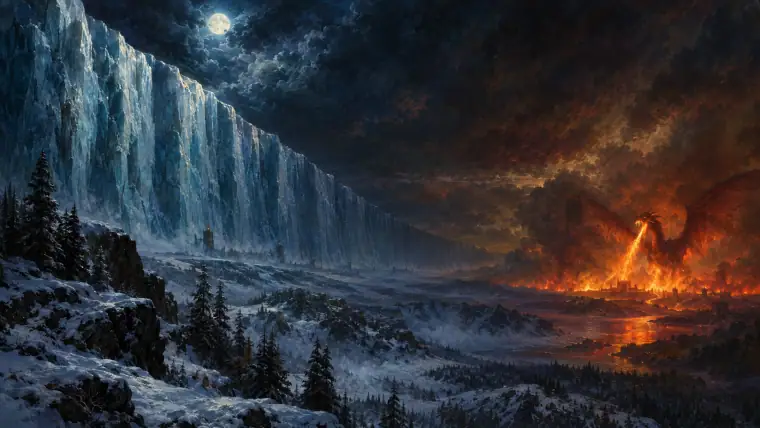
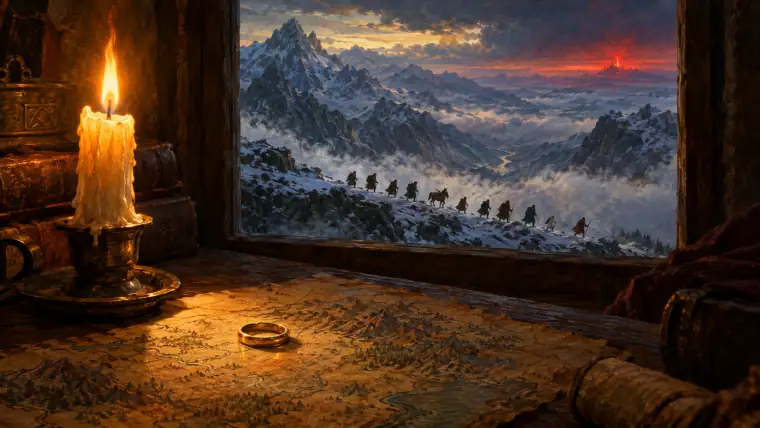
His first novel, Tailchaser's Song (1985), a quest fantasy about a society of cats, went to Donald A. Wollheim's DAW Books, beginning an association that has lasted his whole career. Then came Memory, Sorrow, and Thorn: The Dragonbone Chair (1988), Stone of Farewell (1990) and To Green Angel Tower (1993), the last so long it was split into two paperbacks. On its surface it is classic High / Epic Fantasy, with a kitchen boy, Simon, swept up in a war against an undead Storm King and his elvish Norns. Underneath, Williams quietly interrogates the form: the heroic legends turn out to be lies told by victors, the prophesied swords do not work as prophesied, the elf-like Sithi are a dispossessed people with grievances of their own, and the story is told through many points of view, not a single chosen one. A sequel sequence set about three decades later, The Last King of Osten Ard, began with The Witchwood Crown (2017) and concluded with The Navigator's Children (2024).
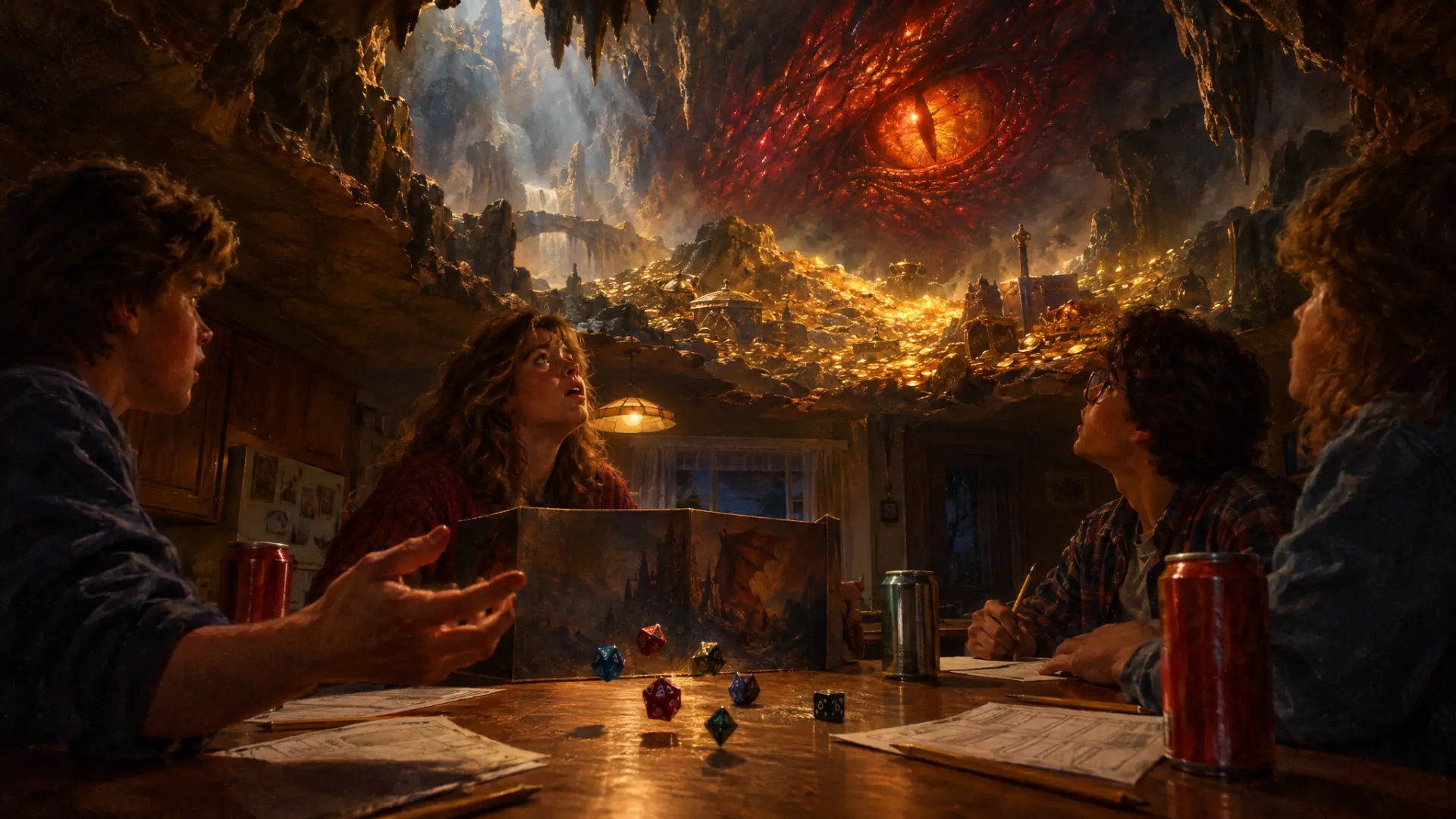
Otherland (1996–2001), four volumes and more than 3,000 pages, moved to science fiction. In a late-21st-century world of full-immersion virtual reality, a cabal called the Grail Brotherhood has built private simulated worlds, some copied from the Iliad, Oz, Alice and The War of the Worlds, for sinister purposes. One of its heroes, Orlando Gardiner, a boy with progeria, spends his real life as the barbarian Thargor in the Middle Country, a fantasy game world with clear roots in tabletop and online roleplaying. The Encyclopedia of Science Fiction notes that the setup resembles a sophisticated MMORPGs, except that the immersion is total. He followed it with Shadowmarch (2004–10), the Bobby Dollar urban-fantasy books, and comics including DC's Aquaman: Sword of Atlantis.
Legacy
Williams's deepest mark is on the writers who read him. George R. R. Martin has said that after years of formulaic imitators, The Dragonbone Chair made him think, "My god, they can do something with this form," and he acknowledged the debt in A Game of Thrones with House Willum and its sons Josua and Elyas, the names of Osten Ard's royal brothers. Christopher Paolini called Memory, Sorrow, and Thorn "one of the great fantasy epics of all time," and Patrick Rothfuss is among the writers who have cited Williams as an influence. Through Martin, the trilogy's morally shaded, multi-viewpoint approach flowed into Game of Thrones and the whole modern wave of political epic fantasy.
Screen and game adaptations of Williams's own work have been slow to arrive. Warner Bros. acquired film rights to Otherland in 2012, and an Otherland MMO announced in 2008 by the studio RealU was halted when its parent company became insolvent. The irony is apt: the virtual worlds Otherland imagined in the late 1990s were being built for real by the time anyone tried to adapt it.
Marginalia
- His mother nicknamed him "Tad" after young characters in Walt Kelly's comic strip Pogo.
- He worked from 1987 to 1990 as a technical writer at Apple, experience that fed into Otherland.
- George R. R. Martin has cited The Dragonbone Chair (1988) as a key inspiration, and slipped a House Willum with sons Josua and Elyas into A Game of Thrones as a tribute.
- Otherland's teenage hero Orlando Gardiner plays a barbarian named Thargor in a full-immersion fantasy game called the Middle Country.
- DAW Books bought his debut, the cat fantasy Tailchaser's Song (1985), beginning a partnership that has lasted his entire career.
- To Green Angel Tower (1993), the trilogy's finale, ran so long that it was split into two volumes in paperback.
Quick answers
- Who is Tad Williams?
- Author of Memory, Sorrow, and Thorn, the doorstop trilogy that showed George R. R. Martin what epic fantasy could still do, and of Otherland, a four-volume saga set inside virtual worlds that looked a lot like MMORPGs.
- When was Tad Williams born?
- Tad Williams was born in 1957 in San Jose, California.
- What is Tad Williams known for?
- Tad Williams is best known for Memory, Sorrow, and Thorn.
- Why does Tad Williams matter to fantasy and games?
- Williams's Osten Ard books deliberately complicated the Tolkien template and directly inspired A Song of Ice and Fire, while Otherland imagined immersive online game worlds years before they arrived.